Technics AZ80 Review: My Favourite True Wireless Earbuds in 2023
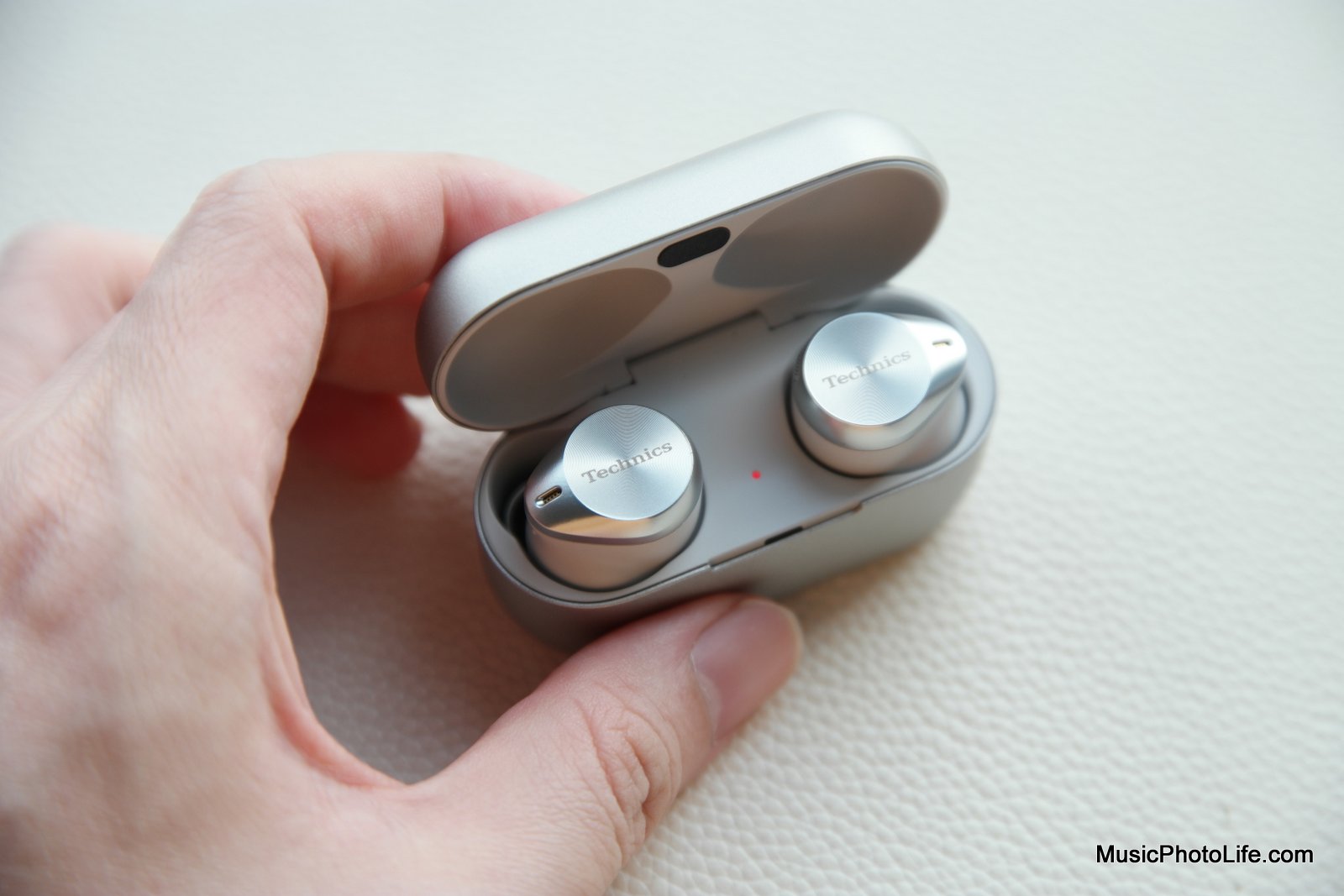
Technics has released their latest flagship true wireless earbuds. The EAH-AZ80 retails at S$469 in Singapore, replacing the Technics AZ70 to be their most expensive TWS to date. This, together with the rest of the models from AZ40M2, AZ60M2, offer a wide price range to suit the budget of all consumers.
 100vw, 1170px”/></noscript><img decoding=)
 100vw, 1170px”/></noscript><img decoding=)
 100vw, 1170px”/></noscript><img decoding=)
 100vw, 1170px”/></noscript><img decoding=)
 100vw, 1170px”/></noscript><img decoding=)
 100vw, 1170px”/></noscript><img decoding=)
 100vw, 1170px”/></noscript><img decoding=)
 100vw, 462px”/></noscript><img decoding=)
 100vw, 1170px”/></noscript><img decoding=)
 100vw, 1170px”/></noscript><img decoding=)
 100vw, 1170px”/></noscript><img decoding=)
Creative Zen Hybrid Pro and LE Audio Transmitter: Broadcast Audio to Multiple Headphones
Creative latest ANC wireless headphones, the Zen Hybrid Pro, comes with one feature that 99% of the consumer wireless headphones in the market does not have. It’s the ability to broadcast audio to many headphones at the same time with ultra low latency. Why do you need that, you may ask. Well, get a couple of the Zen Hybrid Pros and then you can watch a movie or listen to streaming music with your spouse without disturbing your family members or house mates. Or get a dozen headphones for an open-space listening event – silent party perhaps?
 100vw, 1170px”/></noscript><img decoding=)
 100vw, 1170px”/></noscript><img decoding=)
 100vw, 1170px”/></noscript><img decoding=)
 100vw, 1170px”/></noscript><img decoding=)
 100vw, 1170px”/></noscript><img decoding=)
 100vw, 1170px”/></noscript><img decoding=)
 100vw, 1170px”/></noscript><img decoding=)
 100vw, 1170px”/></noscript><img decoding=)
 100vw, 1170px”/></noscript><img decoding=)
 100vw, 1170px”/></noscript><img decoding=)

OpenRock Pro Review: True Wireless Open-Ear Air Conduction Sports Earbuds
The benefit of open-ear headphones cannot be understated. They are the most natural way to listen to music without stuffing earbuds into the ear canals and losing the hearing of things around you. It is more important for bikers and road joggers as they need to be fully aware of the surroundings, but not so much for gym goers who prefers noise isolation from all the equipment noises and unwanted in-house music. There has been numerous variants of open-ear earbuds, and OpenRock Pro features the latest design, which is a pair of true wireless earphones with ear hooks that loop behind the ears.
 100vw, 1170px”/></noscript><img decoding=)
 100vw, 1170px”/></noscript><img decoding=)
 100vw, 1170px”/></noscript><img decoding=)
 100vw, 1170px”/></noscript><img decoding=)
 100vw, 1170px”/></noscript><img decoding=)
 100vw, 1170px”/></noscript><img decoding=)

Google Pixel 8 Pro and Pixel Watch 2 Review
After I started using the Google Pixel 4XL in 2019, I have been a Pixel owner and love the overall clean UI experience, but had to live with a “primitive” dual-camera setup and a facial unlock system without fingerprint which is a hassle during the COVID years. I gladly moved to Pixel 7 Pro early this year with an excellent triple-camera system, fingerprint sensor, and all the UI goodness. When the Pixel 8 series was launched, I was excited to review it, as well as the Pixel Watch 2 which officially goes on sale in Singapore.
 100vw, 1170px”/></noscript><img decoding=)
 100vw, 1170px”/></noscript><img decoding=)
 100vw, 1170px”/></noscript><img decoding=)
 100vw, 800px”/></noscript><img decoding=)
 100vw, 904px”/></noscript><img decoding=)
 100vw, 904px”/></noscript><img decoding=)
 100vw, 1170px”/></noscript><img decoding=)

 100vw, 1170px”/></noscript><img decoding=)
 100vw, 1170px”/></noscript><img decoding=)
Exchanging links is a link building strategy
Exchanging links is a link building strategy that has been around since the rise of web pages on the internet.
And like a lot of SEO-related topics these days, the legitimacy of exchanging links draws opinions from both sides of the fence.
This informational guide will highlight the risks and rewards of link exchanges (including their purpose for SEO).
You will learn how the various types of link exchanges work and what makes them different from each other.
And if you ever decide to exchange links for SEO value, this article will teach you how to ask the right questions to do it safely and effectively.
Let’s get started.
What Is A Link Exchange?
A link exchange is when two or more websites link out to each other based on a mutual agreement. In other words, each site has agreed to receive backlinks from one another.
Ideally speaking, a link swap is a “quid pro quo” arrangement between websites (often within the same niche) to increase their trust and authority by exchanging high quality backlinks.
It is a backlink strategy for increasing search engine rankings or traffic.
Since a link exchange is a mutually beneficial agreement, the process of getting good backlinks can be quite easy (or even cheap/free) and pass on benefits to each party.
But on the other hand, exchanges can also carry some risk and not do much for your rankings.
This is because not all links are created equal, and Google might penalize a website that manipulates links (especially bad links that are frequently picked up this way).
That being said, the best way to understand how a link swap works is by learning the various methods that SEOs and websites use to exchange links these days.
Check Out Our Backlink Services (Trusted By Over 1,000 Brands)
Types of Link Exchanges
There are four common types of link exchanges that can be used in a link building campaign.
Despite their differences, each strategy lets website owners achieve the goals of adding trust, relevance, or authority to their own website while helping other sites achieve the same.
Some are riskier than others.
Private Influencer Networks
A “private influencer network” (PIN) is a private link building model whereby a group of companies or websites partner up to share backlinks and promote each other to boost their rankings or grow traffic.
A PIN is made up of four or more relevant websites that send links to each other’s homepage, blog, or guest posts/articles (using any means at their disposal).
A group of people can also pool their resources together to design a PIN from scratch with the purpose of sharing in the profits.
Each group member could build one or more money sites in the same niche to provide high-quality incoming links and social mentions for another target site to increase its link popularity and improve its ranking.
In this example of a network effect, the shared value of the PIN increases as other members join in to provide link opportunities, which in turn improves their rankings and circulates more traffic within the network.
PIN exchanges are a common practice of websites within related niches that can help each other without increasing direct competition.
But if the group gets discovered by Google somehow, its manipulative link building tactics aren’t going to look good at all.
Reciprocal Links
Reciprocal linking is when two websites agree to swap links (i.e., “link to me and I’ll link to you”).
The ultimate goal is for each website owner to benefit from quality backlinks that help SEO.
Even though it is the most obvious link scheme known to search engines such as Google, the act of one site linking to another (and vice versa) is still a natural part of the world wide web.
A reciprocal link is often created out of coincidence or because it makes sense to do so (while also adding value for site visitors). No mutual agreement was necessary.
Reciprocal links are the most basic type of link swap
That is why exchanged links are not always seen as violating Google’s Webmaster Guidelines.
Just because two people vouch for each other’s high-quality content or expertise using outbound links does not mean they are trying to manipulate PageRank.
In this case, reciprocal links could be considered natural links.
Instead, Google may consider “excessive” link exchanges to be part of a link scheme (more on the topic of safety later).
At least 74% of domains (with 10k organic monthly traffic or more) were shown to have reciprocal links in a recent Ahrefs study.
Since direct link swapping is a common (and sometimes natural) thing to do, you can expect this type of link exchange to persist in certain industries and niches for years to come.
Guest Post Swaps
A guest post swap is an arrangement in which people contribute guest posts on various websites that include a link to each other’s target site (plus a backlink to their own site).
There are several guest blogging benefits that make guest posting a popular link building activity. It lets websites gain exposure to topical relevance and domain authority via contextual backlinks (while sharing valuable information with website visitors).
Guest post swaps let websites add topical niche relevance
In the SEO space, guest posting campaigns are associated with great links and relevant articles.
If you cannot find someone who wants to publish a guest post as part of a swap, you can still offer your guest posting service as a sign of good faith or to curry favor with someone who might respond in kind someday.
To get started, just contact someone you know or know of in your niche and offer a guest post link from a relevant article on another website.
Then, request a list of relevant target pages in case they like the idea.
With any luck, they will agree to do the same.
Three-Way Link Exchanges
The three-way link exchange was created to bypass the footprints and potential risk of direct link swaps (which can appear shady to Google if done unnaturally).
This indirect method lets two websites mimic the effect of a direct link swap by using an intermediary site to receive and send a link between them.
A three-way link exchange needs at least two high-quality sites to make it worth the effort.
Because the exchange represents a series of one-way links from one website to the next (e.g., Site A → Site B → Site C), each receiving website would prefer a good backlink from a quality site.
A three-way link exchange is a series of quality one-way backlinks
It is not uncommon for high authority sites to pass benefits to one another using a three-way link exchange.
How does Google know where one three-way exchange begins and another ends (let alone who is knowingly partaking in one)?
Generally speaking, it is less obvious to search engines that a couple of sites are taking part in a link scheme when they are not sending a reciprocal link to each other.
Are Link Exchanges Good For SEO?
Backlink swaps can be good for SEO in the way that other link building opportunities are useful. They help you build relevance and authority while establishing relationships with people.
Remember, backlinks are a trust signal to Google that other websites vouch for your content, and getting a quality backlink is always good for ranking.
Link exchanges can give you good SEO results if you can get links from good sites (but this is often a problem as many sites doing link exchanges are low-quality).
And of course, you have to do them in moderation to avoid getting in trouble with Google.
For the most part, you’ll want to stick to things like guest posts, niche edits, HARO links or even buy editorial links.
These tried-and-true ways of getting backlinks allow you to get links from quality sites without having to worry about Google catching you for exchanging links.
Unsure About Backlinks? Our MLB Service Has You Covered
Are Link Exchanges Safe?
Link exchanges are reasonably safe when used in moderation.
Even though they are not risk-free, a smart link exchange that follows best practices could be helpful without ever raising a red flag with Google.
Of course, they can be pretty risky when done excessively or unnaturally.
Google’s Webmaster Guidelines briefly describes how link exchanges may be considered part of a link scheme (which could result in a website penalty):
“Excessive link exchanges (“Link to me and I’ll link to you”) or partner pages exclusively for the sake of cross-linking.”
Google defines “link schemes” in its Webmaster Guidelines
You can see how the definition is intentionally vague.
This is because Google knows that link schemes can be difficult to prove, and certain occurrences, such as reciprocal links, are just a natural part of the web.
Here are some examples of when a link exchange may not be safe:
A site is not related to your niche.
A site looks new, low-quality, or spammy (including its backlink profile).
A site has too many outbound links relative to inbound links.
A group of sites with too much exchange overlap.
A lot of powerful backlinks pointing at brand new content (especially at the same time).
Never do a link exchange with someone who is unprofessional or you do not trust. It is not worth risking your site over someone else’s mistakes when there are plenty of safe options out there.
Reciprocal linking is probably the riskiest type of link exchange because it is easier for search engines to detect.
Three-way link exchanges are harder to detect and provide a layer of security for their members.
SEO Case Studies: Learn From Our Ranking Success Stories
What To Look For When Exchanging Links
You want to focus on getting quality backlinks from well-established sites that Google trusts. Authority, relevance, and traffic are the key metrics you want to improve with link swaps.
Looking for the right link exchange opportunities is not that different from doing a site audit.
The overall quality of the website you are receiving a link from is the most important thing to consider. Especially if you want some real link juice from that site.
Niche-relevance is another important factor to consider when looking for a link exchange. For example, there should be some kind of relationship between the content being linked to in a guest post swap.
Look for websites that rank for your related keywords and websites that link out to other related sites.
When looking into three-way exchange groups, it is good to find people with experience running well-established sites that can pass some authority to your website.
Find people who want to add value and help one another.
Here are some examples of when a link exchange may be a good idea:
A site is healthy and has good metrics
A site is topically relevant to your niche.
A site is not a direct competitor.
A site is well-designed and high-quality.
A site seems trustworthy (including its owners).
Where To Find Link Exchanges
You can find link exchange opportunities in online communities or in your network. The process has some similarities to finding guest post opportunities.
You either have to do manual outreach (which may involve niche research to find relevant sites and message forums) or join a social network where it can be easy to connect with like-minded people.
Here are some of the best platforms to find and chat with people who are interested in link swapping:
Facebook Groups. Register for Facebook and start browsing for public/private groups about SEO, link building, or a niche. Blogging groups are a good start.
Slack. Search for open Slack channels using a Slack bot, online directories, niche sites, social media, or Reddit.
Discord. Explore public servers with the built-in directory or search online.
Skype. Download the app and browse for keywords in the search box (or the name of the chat group).
You may also receive link exchange requests without you having to do any work at all.
No matter how you find opportunities to exchange links, remember to always vet the sites and owners as discussed previously.
Questions To Ask When Exchanging
Let’s say you found someone who wants to exchange links. Now is a good time to do some extra quality checks and dive a bit deeper to make sure the link exchange is safe and worth the effort.
What is the purpose of the referring domain?
It may seem obvious, but you should get a clear idea of what the linking site is really about beyond your initial research.
Is the website designed to help search users or make a quick buck? What if the site is used to advertise link swaps?
There are lots of questions you can ask. You may have to interview the other person to gain some insight.
In the end, you want to make sure the site serves a legitimate purpose rather than something nefarious or against Google’s guidelines.
Where will my link be placed?
If you have a choice, make sure the linking page is relevant and acceptable in terms of design/content quality.
Try to have your link placed into contextual content instead of low-value positions like the sidebar or footer.
Where is the referring page linking out to (and what type of backlinks does it have)?
Ideally, you want the other page to reference similar content as yours.
It is also good if the linking page isn’t receiving many low-quality spam links or anything that does not make sense to you.
If it has a good amount of decent links pointing to it, it can be a very valuable article to get a link from.
https://baniblogger.my.id/
https:// webmtk.com/
https:// kangbadar.com/
https:// sebelumnya.com/
https:// ruangpajak.id/
https:// rakyatpos.id/
https:// nihloker.id/
https:// sagalaayapedia.my.id/
https:// beritalogi.id/
https:// teknoloko.com/
https:// obor.my.id/
https:// fakhri.eu.org/
https:// worthblogger.com/
https:// sejutateknologi.com/
https:// mariwisata.id/
https:// elzeno.id/
https:// techfitnow.com/
https:// recfes.com/
https:// mletre.com/
https:// topsepatu.com/
https:// babasmedia.com/
https:// azxstore.my.id/
https:// bero.web.id/
https:// pelajarblog.com/
https:// guest-post.xyz/
https:// baca.news/
https:// ceritapendek.id/
https:// kelasdgt.site/
https:// tintasantri.com/
https:// anunico.sg/
https:// bungomedia.eu.org/
https:// lurnnnseo.com/
https:// kuamangmedia.com/
https:// info-kita.net/
https:// basbahanajar.com/
https:// bebobin.com/
https:// idspedia.com/
https:// teknoit.my.id/
https:// catras.id/
https:// lewatkaca.live/
https:// akashipedia.com/
https:// healingtortoise.com/
https:// aldhifajar.com/
https:// jhun.my.id/
https:// ciri-ciri.online/
https:// anteiku.my.id/
https:// berbagifakta.com/
https:// boostyt.net/
https:// sehatmahharus.my.id/
https:// kangtury.com/
https:// nusyahdu.com/
https:// paralayangmalang.com/
https:// lewster.top/
https:// blogcozone.com/
https:// bloggermyid.com/
https:// kolampedia.com/
https:// mejasekolah.co/
https:// zephyrum.xyz/
https:// hidupintar.com/
https:// katasarjana.com/
https:// inbea.xyz/
https:// pagarindonesia.com/
https:// gururamah.my.id/
https:// kitaberdua.com/
https:// mediabalangan.com/
https:// mylifejobs.com/
https:// wallgz.com/
https:// tripindo.my.id/
https:// babas404.com/
https:// satuklick.my.id/
https:// catatantoday.com/
https:// newslike.my.id/
https:// santri.web.id/
https:// teknoninja.id/
https:// lews.dev/
https:// yukinochan.my.id/
https:// cokra.org/
https:// kelasdgt.com/
https:// tipsdays.com/
https:// asdstaff.xyz/
https:// smartworld.website/
https:// naganews.net/
https:// onetipout.com/
https:// cellular.blog/
https:// cancuters.com/
https:// masrizzal.com/
https:// ngebait.com/
https:// adbtimes.com/
https:// 1qtech.xyz/
https:// kisah.web.id/
https:// cuanreceh.my.id/
https:// media707.com/
https:// jsit.eu.org/
https:// jasabacklinkproo.com/
https:// portalcrypto.xyz/
https:// campurankita.live/
https:// wanpedia.my.id/