BAFTA has revealed the outcome of its “comprehensive review” into the controversy that erupted at its recent film awards on Feb. 22.
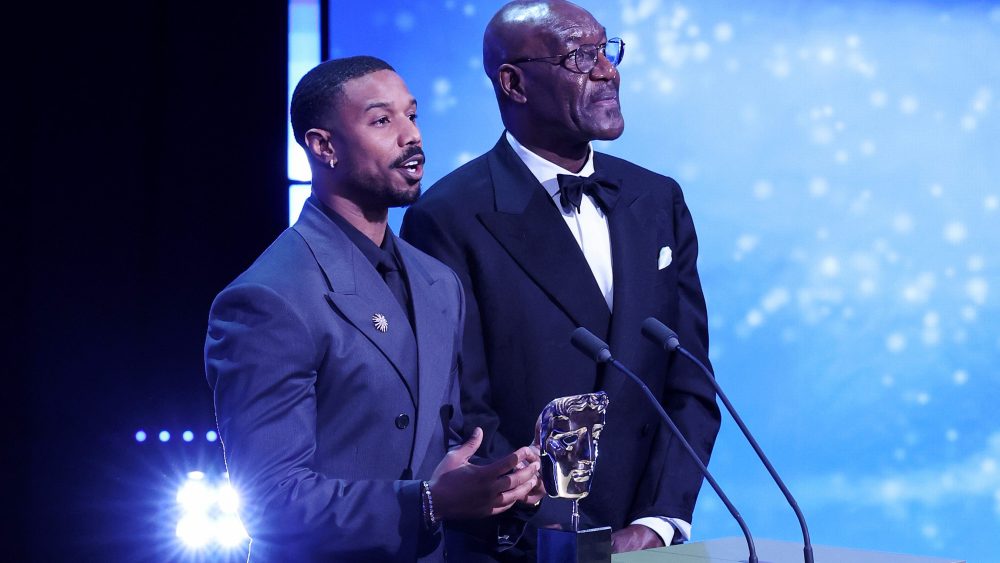
The incident — which came to significantly overshadow the 2026 awards ceremony — saw John Davidson, the Tourette’s syndrome activist and inspiration for the film “I Swear,” involuntarily shout the N-word while Michael B. Jordan and Delroy Lindo were on stage to present the first award of the evening.
“The review is clear that while this was not a failure of intent, BAFTA’s planning and processes have not kept pace with its diversity and inclusion goals,” BAFTA said. “We did not adequately anticipate or fully prepare for the impact of such an incident in a live event environment and as a result our duty of care to everyone at the ceremony and watching at home fell short.”
An intense wave of anger followed the incident, much directed at the BBC after it aired an edited version of the ceremony that failed to cut out the racial slur, despite having a two-hour delay. But BAFTA also came under extreme criticism, most notably for its handling of the situation, for a lack of duty of care towards the guests and for its immediate response, which saw host Alan Cumming ask for “understanding” from the audience of the symptoms of Tourette’s. Essentially, many were upset that its initial reaction was to prioritise providing context rather than seeing to the immediate needs of Jordan, Lindo and other Black people in attendance.
“We apologise unreservedly to the Black community, for whom the racist language used carries real pain, brutality, and trauma; to the disability community, including people with Tourette Syndrome, for whom this incident has led to unfair judgement, stigma, and distress; and to all our members, guests at the ceremony and those watching at home,” BAFTA added oin What was supposed to be a moment of celebration was diminished and overshadowed. We have written to those directly impacted on the night to apologise.
The day after the awards, BAFTA issued a public statement asserting that it took “full responsibility” for putting its “guests in a very difficult situation and we apologise to all.” In a letter to BAFTA members on Feb. 24 from BAFTA Chair Sara Putt and CEO Jane Millichip, they said they wanted to “acknowledge the harm this has caused, address what happened and apologise to all.”
The results of the BAFTA review comes more than a month after the BBC revealed the results of its own internal investigation into the incident. Answering questions from the U.K. government’s Culture, Media & Sport Committee, director-general Davie said that the BBC’s “initial evidence gathering” found that no-one in the on-site broadcast truck heard Davidson’s initial utterance of the N-word when they were watching the live feed.
However, he noted that a second outburst of the word occurred while Wunmi Mosaku accepted her best supporting actress award, which they did hear and remove. Davie claimed that the error occurred when the edit team began receiving reports — including from BAFTA — about a racial slur, and assumed it to be the one they had already removed. He said the incident was a “genuine mistake.”
Earlier this week, the BBC’s own executive complaints unit ruled that its broadcast of the BAFTA Film awards was a “clear breach” of the network’s editorial standards, but was “not intentional.”
PakarPBN
A Private Blog Network (PBN) is a collection of websites that are controlled by a single individual or organization and used primarily to build backlinks to a “money site” in order to influence its ranking in search engines such as Google. The core idea behind a PBN is based on the importance of backlinks in Google’s ranking algorithm. Since Google views backlinks as signals of authority and trust, some website owners attempt to artificially create these signals through a controlled network of sites.
In a typical PBN setup, the owner acquires expired or aged domains that already have existing authority, backlinks, and history. These domains are rebuilt with new content and hosted separately, often using different IP addresses, hosting providers, themes, and ownership details to make them appear unrelated. Within the content published on these sites, links are strategically placed that point to the main website the owner wants to rank higher. By doing this, the owner attempts to pass link equity (also known as “link juice”) from the PBN sites to the target website.
The purpose of a PBN is to give the impression that the target website is naturally earning links from multiple independent sources. If done effectively, this can temporarily improve keyword rankings, increase organic visibility, and drive more traffic from search results.

Leave a Reply