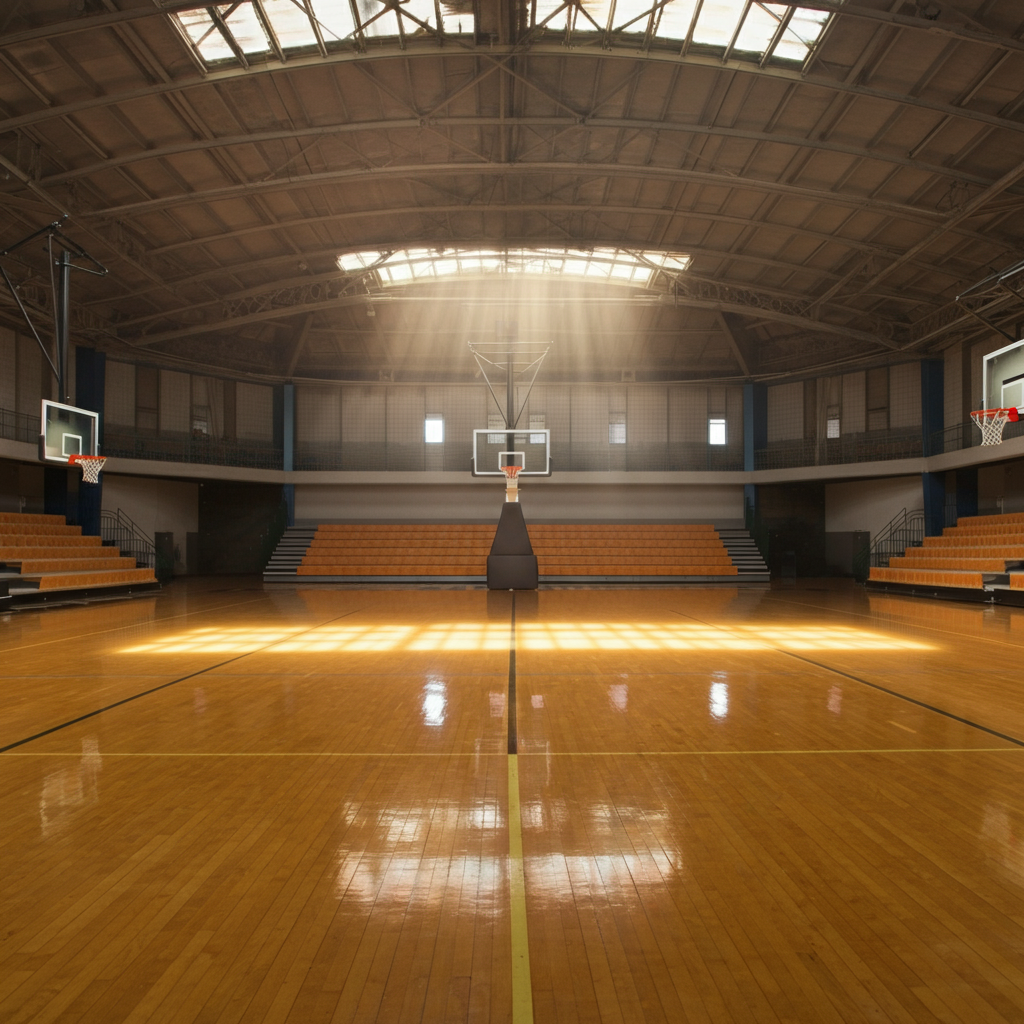
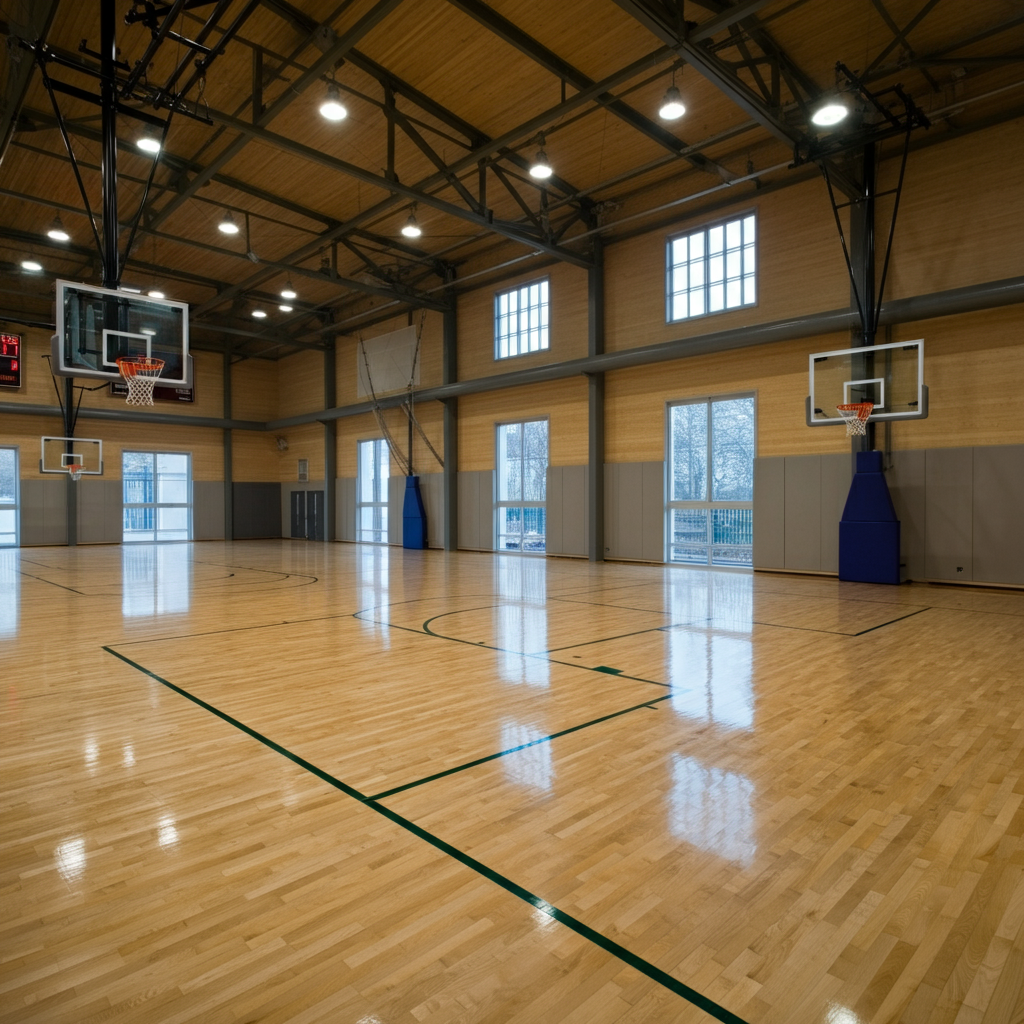
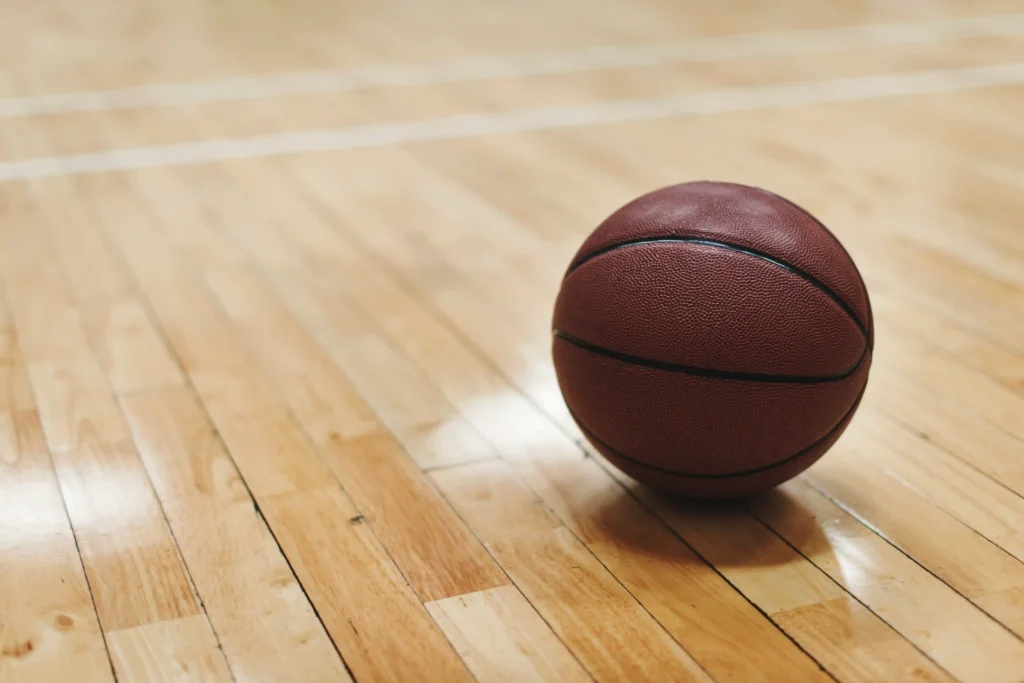
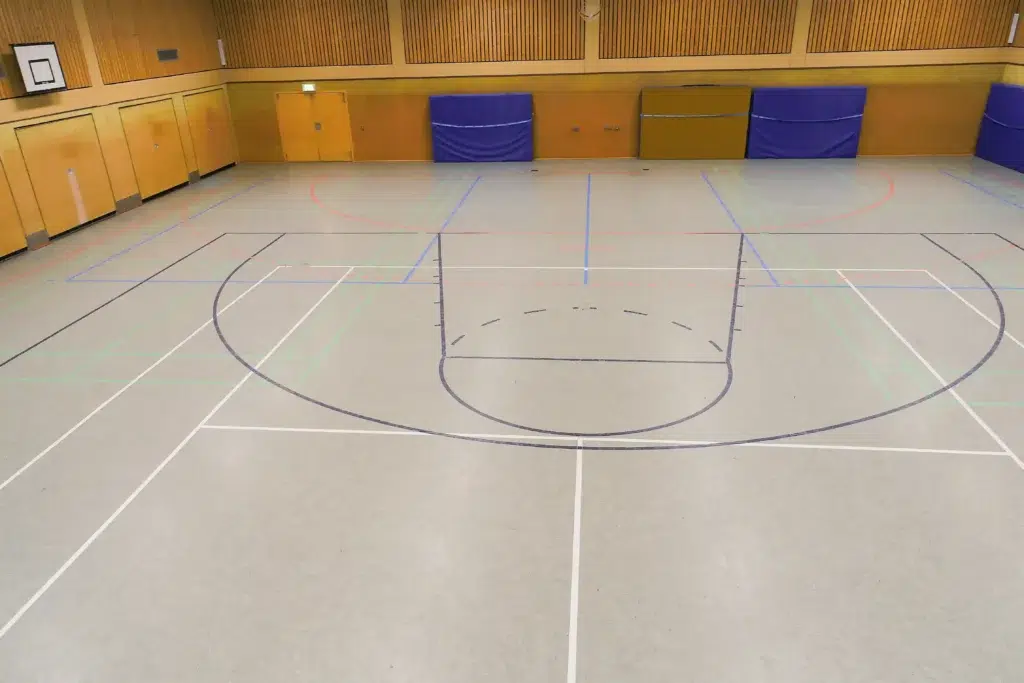
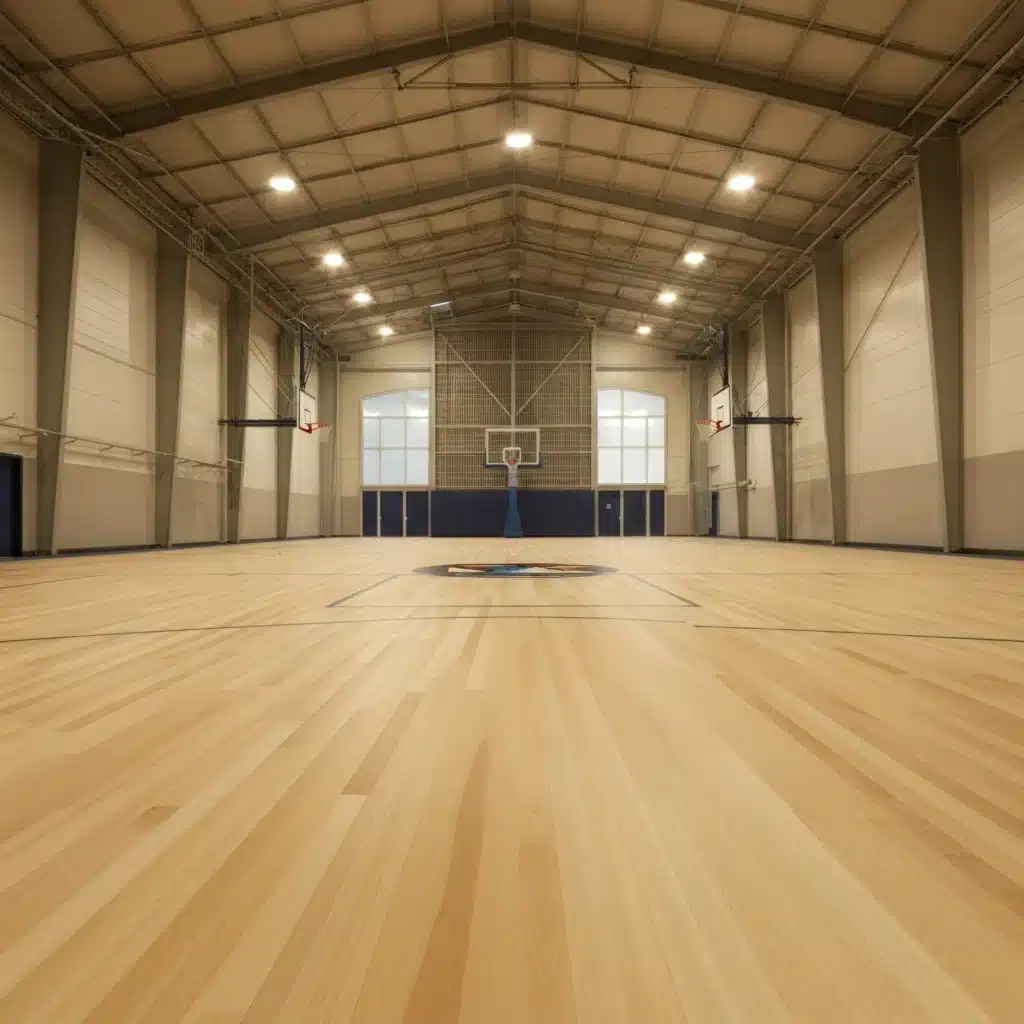
Selecting the right flooring is one of the most critical decisions when designing or renovating a sports facility. The surface underfoot directly impacts athlete performance, safety, and the long-term viability of the venue. While numerous synthetic options exist, hardwood sports flooring remains the undisputed gold standard for gymnasiums and indoor courts. Its unique combination of resilience, shock absorption, and natural feel provides an unmatched surface for competitive play.
Hardwood has long been the preferred choice for professional basketball courts, university gymnasiums, and high-performance training centers. This preference is not merely based on tradition; it is rooted in the material’s inherent properties that enhance athletic performance while ensuring durability. This guide will explore the distinct advantages of hardwood, its contribution to athlete safety, and the factors that make it a cost-effective, long-term investment for any premier sports facility.
The Superiority of Hardwood Over Synthetic Alternatives
When choosing a surface for a sports court, decision-makers often weigh hardwood against synthetic options like rubber, PVC, or polyurethane. While synthetics may offer a lower initial cost, hardwood provides superior long-term value and performance.
The primary advantages of high-performance wood floors include:
Exceptional Resilience and Shock Absorption: Hardwood floors, particularly when installed with a high-quality subfloor system, offer optimal shock absorption. This reduces the impact on athletes’ joints, minimizing the risk of stress-related injuries and decreasing fatigue during long games or training sessions.
Consistent Ball Bounce: For sports like basketball, a uniform and predictable ball rebound is essential for fair play. Hardwood provides a consistently firm and even surface, ensuring the ball responds predictably across the entire court.
Natural Feel and Footing: Athletes often prefer the natural grip and feel of wood underfoot. A properly finished athletic wood floor provides the ideal balance of slide and grip, allowing for controlled movements, pivots, and quick changes in direction without undue strain.
Unmatched Durability: A common misconception is that hardwood is less durable than synthetic alternatives. However, high-quality gymnasium flooring is specifically engineered for high-impact use. With proper maintenance, a hardwood sports court can last for decades, outliving synthetic surfaces several times over.
In contrast, synthetic floors can degrade over time, leading to inconsistent performance and a higher risk of injury. They may also become overly sticky or slippery, compromising athlete safety.
Enhancing Athletic Performance and Safety
The quality of athletic performance flooring is directly linked to the health and success of athletes. Hardwood is engineered to create an optimal environment for peak performance. The floor’s ability to absorb shock while providing firm support allows athletes to jump higher, run faster, and play longer with reduced physical strain. This energy return is a key characteristic that sets durable gym floors apart from softer, less responsive surfaces.
From a safety perspective, hardwood offers significant advantages:
Injury Prevention: The shock-absorbing properties of a well-designed hardwood flooring system can significantly reduce the incidence of common sports injuries, such as shin splints, stress fractures, and joint pain.
Slip Resistance: Professional-grade finishes are applied to hardwood sports floors to achieve a specific coefficient of friction. This ensures athletes have adequate grip for explosive movements while still allowing for controlled slides, preventing slips and falls.
Uniformity: Unlike modular synthetic tiles that can have seams or uneven spots, a hardwood court offers a seamless and uniform playing surface, eliminating tripping hazards.
The Science Behind Durable Hardwood Sports Floors
The durability of a hardwood sports floor is not accidental; it is the result of careful material selection, advanced engineering, and precise installation techniques. Several factors contribute to the longevity of these high-performance surfaces:
Wood Species: Maple is the most commonly used wood for sports flooring due to its high density, strength, and light color, which provides excellent contrast for game lines. Its tight grain structure resists splintering and withstands heavy, repetitive impacts.
Finishing Techniques: Modern gym floor finishes are designed to protect the wood from moisture, scuffs, and UV light. These polyurethane coatings create a durable protective layer that preserves the wood’s integrity and aesthetic appeal while providing the necessary slip resistance.
Subfloor Construction: The subfloor is a critical component of any sports flooring system. Advanced subfloor designs incorporate resilient pads, sleepers, and plywood layers to enhance shock absorption, provide dimensional stability, and ensure a uniform playing surface.
An alternative to traditional solid wood is VmkonSport Biomass Macwood flooring. This innovative material offers the aesthetic and performance qualities of natural wood but with enhanced durability and sustainability features, providing another excellent option for modern sports facilities.
The prevalence of hardwood in elite sports venues speaks for itself. The iconic courts of the NBA, the competitive arenas of NCAA basketball, and premier multi-sport facilities worldwide overwhelmingly choose hardwood. These organizations invest in high-performance wood floors because they understand the link between a quality playing surface and the success of their athletes. By providing a safe, consistent, and reliable surface, these facilities empower athletes to perform at their best.
Maintaining Your Investment
To maximize the lifespan and performance of hardwood sports flooring, a consistent maintenance routine is essential.
Daily Cleaning: Dust mopping the floor daily removes abrasive dirt and grit that can scratch the finish.
Regular Deep Cleaning: Use an auto-scrubber with a recommended cleaning solution to remove sweat and scuff marks. Avoid using excessive water, which can damage the wood.
Annual Screening and Recoating: Once a year, the floor should be lightly abraded (screened) and a new coat of finish applied. This process restores the floor’s grip and protective layer without the need for a full sanding.
Full Refinishing: Every 8-12 years, the floor should be sanded down to the bare wood, repainted with game lines, and sealed with multiple coats of finish. This restores the floor to a like-new condition.
Cost Considerations and Long-Term Value
While the initial installation cost of a hardwood sports flooring may be higher than some synthetic options, its long-term cost-effectiveness is superior. A well-maintained hardwood court can last for 50 years or more, whereas many synthetic floors need replacement every 10-15 years. When factoring in replacement costs, hardwood proves to be a more economical investment over the life of the facility.
Furthermore, a beautiful hardwood court enhances the aesthetic appeal and perceived value of a gymnasium. It creates a professional and inspiring environment that can attract events, athletes, and spectators, contributing to the facility’s overall revenue and reputation.
Innovations in Hardwood Sports Flooring Technology
The technology behind hardwood sports flooring is constantly evolving. Recent advancements include:
Eco-Friendly Finishes: Low-VOC (Volatile Organic Compound) water-based finishes are now available, offering excellent durability with a reduced environmental impact.
Advanced Subfloor Systems: New subfloor designs provide even better shock absorption and dimensional stability, further enhancing athlete safety and performance.
Sustainable Materials: Many manufacturers now offer flooring sourced from sustainably managed forests, ensuring the longevity of both the court and the environment.
Make the Right Choice for Your Facility
Choosing the right flooring is a foundational decision for any sports facility. Hardwood sports flooring delivers an unparalleled combination of durability, safety, and performance that synthetic alternatives cannot match. Its proven longevity, coupled with its contribution to athletic excellence and aesthetic appeal, makes it the wisest investment for any organization committed to creating a top-tier athletic environment.
By prioritizing quality and performance, you provide your athletes with the best possible surface to train and compete on, ensuring your facility remains a premier destination for years to come.
Some people leave the world quietly, yet their light keeps shining in every smile they once inspired.
The world said goodbye to one of Hollywood’s most beloved icons, Diane Keaton, who passed away on October 11, 2025, at the age of 79. Her death marks the end of an era, but her laughter, grace and fearless individuality will live on forever.
Born Diane Hall in Los Angeles in 1946, she later adopted her mother’s maiden name, Keaton. From a young age, she loved performing. That love became her life’s journey, taking her from stage to screen with unmatched charm.
Her breakout role came in Annie Hall (1977), earning her an Academy Award. She wasn’t just playing a character, she was redefining how women could be seen in Hollywood. Funny, quirky and honest. Diane made every role feel alive.
She gave us iconic performances in The Godfather series, Father of the Bride, Something’s Gotta Give, and The First Wives Club. Every character and scene carried her warmth, humor, and heart.
Off screen, Diane was equally inspiring. She was a director, a writer, and a fashion trailblazer: hats, blazers and bold style. But she didn’t follow trends. She set them. She showed the world how to be herself, fully and proudly.
Though she never married, Diane created a family full of love. She adopted two children, Dexter and Duke, in her fifties. Friends called her kind, witty, and full of quiet strength. She had a way of making everyone feel seen.
After her passing, tributes poured in from around the world. Woody Allen called her “one of a kind.” Goldie Hawn remembered her as fearless and full of light. Fans shared how her honesty, humor, and authenticity inspired them.
Diane Keaton’s life reminds us to live boldly, laugh freely, and stay true to who we are. She may have left the world, but her laughter, her style, and her spirit will keep shining in movies, memories, and the hearts of everyone she touched.
A safer world begins with the choices we make today.
Every year on October 13, the world comes together to mark the International Day for Disaster Risk Reduction. This day reminds us that while disasters cannot always be prevented, their impact can be reduced through planning, awareness, and collective action. It is a call for communities and nations to build resilience and protect lives.
The United Nations first declared this day in 1989, following a call from the General Assembly. The main goal was to promote a global culture of risk awareness and disaster reduction. Since then, it has become a major event observed across the world by governments, organizations, and volunteers. Each year, the day focuses on a specific theme linked to the “Sendai Framework” for Disaster Risk Reduction (2015-2030), a global plan that guides countries in reducing disaster losses in lives, livelihoods, and health.
Disasters can strike anytime and anywhere from earthquakes and floods to droughts, cyclones, and pandemics. While natural hazards are unavoidable, human actions often increase the risks. Poor urban planning, deforestation, and lack of awareness make communities more vulnerable. As Mami Mizutori, Special Representative of the UN Secretary General for Disaster Risk Reduction, highlights, disasters are not purely ‘natural,’ they often result from human choices that increase vulnerability. That is why disaster risk reduction is not only about emergency response, but also about prevention, preparedness, and education.
In recent years, the importance of disaster preparedness has become clearer than ever. Climate change is making storms stronger and floods more frequent. Small island nations and developing countries, including Sri Lanka, face rising threats. Strengthening early warning systems, promoting sustainable development, and empowering local communities are key steps to reduce these risks.
This day also honors the efforts of people who work tirelessly to save lives from first responders and local volunteers to teachers spreading awareness in schools. Every small action matters, whether it’s planting trees, learning first aid, or supporting community training programs.
The International Day for Disaster Risk Reduction reminds us that resilience starts with understanding risks. When we act early and work together, we can protect our future and create safer, stronger communities for all.
Every year on October 10th, people around the world come together to observe World Mental Health Day, a day dedicated to raising awareness and encouraging open conversations about mental well-being. The theme for 2025, “Mental Health is a Universal Human Right,” reminds us that mental health care and support should be available and accessible to everyone, everywhere.
Mental health is an essential part of overall health. It influences how we think, feel, and act each day. It affects our relationships, our ability to learn, and the way we respond to challenges. Yet, it is often overlooked or misunderstood. Many individuals continue to struggle silently because of stigma, fear, or lack of awareness. Recognizing that seeking help is a sign of strength is an important step toward breaking these barriers.
In today’s fast paced world, many people face pressure, uncertainty, and stress. This makes it even more important to care for our minds as we do for our bodies. Small acts of kindness, empathy, and understanding can go a long way in supporting those around us. Listening without judgment and being there for one another can create a sense of comfort and hope.
Communities, schools, workplaces, and families all have a shared responsibility to create safe spaces where people can express their emotions freely. When mental health is prioritized, societies become stronger and more compassionate.
On this World Mental Health Day, let us take a moment to reflect on our own well-being and reach out to those who may be struggling. Together, we can build a world that values understanding over stigma and compassion over silence, reminding everyone that every mind matters. 💚
When the fans sit down to watch a basketball game, they pay attention to the players, the board, and the fast-paced action. But none takes notice of something equally important under the feet of the players — the court. For professional teams, the choice of the right basketball sports flooring is not just a design issue. It is a savvy investment that decides the way their players play, practice, and stay safe.
So why would professional teams spend more money on premium basketball floors? What is unique about this flooring as opposed to the others? And why is it becoming the number one priority among the world’s sports facilities?
Let’s take a closer inspection.
What Is Premium Basketball Sports Flooring?
When one hears the term “flooring,” one can visualize the wooden courts that one can have in high school gymnasiums. However, high-end basketball sports flooring is a category all on its own. It is specifically made for high-performance play, rigorous training, and athlete safety.
The largest distinction between ordinary and high-quality basketball flooring is in what they do. Ordinary gym floors can handle recreational use, but they cannot hold the demands of professionals. High-quality flooring has improved shock absorption, more predictable ball bounce, and greater traction. They make a significant impact in actual games and practices.
You will often find these floors designed as multi-layered floors. They allow the reduction of the force on the athlete’s muscles as well as joints. Some floors even have vibration control, making sure that the motions are smooth as well as natural. In short, everything is taken into consideration with the athlete at the center.
That’s just showmanship, though. There is something deeper that is causing the switch among the professionals.
Why Flooring Is More Valuable Than You Imagine
Ask a coach or trainer why they worry about the floor, and they will likely say one word — injuries. An inferior surface can cause more twisting, slipping, and impact-type injuries. For money- and time-willing organizations that develop robust rosters, safeguarding the players is key.
Good basketball sports flooring can reduce this risk. It provides greater control when making quick moves such as quick stops, sharp turns, and jumping. This not only safeguards the body, but it also gains confidence. Players will no longer be anxious about falling or sliding and can focus on the play.
And one more perk that is often overlooked is consistency in training. Pro teams train every day, and they want their training floors to be just like their play floors. Then, the muscle memory never disappears. High-performance flooring keeps every bounce and every step the same, no matter what court the team is on.
How, then, is this better flooring helpful to teams when they play and train? Break the benefit down with me.
The Real Benefits of Premium Basketball Sports Flooring
High-end flooring can be a luxury, but premium teams consider it a performance, safety, and money-saving tool. Let’s take a look at the top reasons why they’re making the change.
Better Athlete Performance
One of the clearest benefits of basketball sports flooring is how it supports an athlete’s performance. The surface offers just the right amount of grip and bounce. This allows players to move faster, jump higher, and change directions without hesitation.
The flooring also provides better energy return. This means athletes lose less energy during each step and jump, helping them stay strong for longer games or tough practices.
Fewer Injuries and a Higher Safety Level
Pro athletes subject their bodies to extremes. Lateral jumping, running, and rapid changes of direction all subject the ankles, back, and knees to heavy stresses. A quality floor cushion absorbs every shock and insulates the body in the long run.
This added shock absorption translates into decreased joint pressure, and smooth ground translates into fewer opportunities to slip or fall. Throughout the course of a season, fewer injuries can be the margin between team success and team failure.
Long-Term Savings for Teams
While high-end floors are expensive at the start, they frequently pay back in the end. High-performance basketball sports flooring is durable. It defies wear and tear, despite day-to-day usage.
That translates into fewer dollars spent on fix-it work and replacement. And fewer injuries equal lower medical bills and fewer games missed for teams that consider the bigger picture; the arithmetic works.
Having considered the advantages, what exactly is on the minds of teams when making the decision on floors?
What Professional Teams Look for in Basketball Sports Flooring
Selecting the appropriate court is a large decision that any team will have to make. And it is not solely dependent on appearance. Teams consider the way the flooring works, the durability, and whether the court can handle high sports standards.
There are specialist teams that choose sports floors that have been certified by renowned authorities like FIBA or tested through EN testing. Such certification is proof that the floor was subjected to performance, safety, and durability testing.
The second thing that teams want is customization. Most would want their team logo, team colors, or sponsor designs incorporated. An upmarket supplier can offer these services and still meet technical performance specifications.
Teams also seek products that suit their facility. Some require portable floors for events, and others desire stationary installations that resist the climate. Their reliable supplier can steer them toward the best decision.
Talking about value, lots of teams will inquire — Is the additional expense really worth the money?
Is Premium Basketball Sports Flooring Worth the Investment?
It’s a reasonable question. With budgets to hold and plenty of expenses to go around, teams need to be frugal about how they spend. But when dealing with basketball sports flooring, the majority of teams discover that high-end products pay high dividends.
First, high-quality floors are more durable. They can withstand high traffic for a long time without a drop in quality. It means fewer replacements and lower maintenance fees in the end.
Premier flooring also increases the asset appreciation of a facility. Venues with professional-level surfaces are more marketable to event promoters, leagues, and corporate backers. It can mean greater rentals, increased fans, and increased team visibility.
And, naturally, fewer accidents and stronger performance often mean improved records. For a team that is gunning for championships, the floor is the base that propels them towards greatness.
Then, where will such a supplier be found by the teams who could fulfill all these requirements?
Why VMKON Is the Trusted Choice for Basketball Sports Flooring
When you need a trustworthy partner in top-level basketball sports floors, you should be aware of the name VMKON. VMKON, China, is one of the companies that has gained a reputation for providing global customers with high-quality sports floors.
VMKON’s systems are designed for high-level play, and many of them are FIBA-certified. That means they meet the same standards required in international competition. Teams can trust that they are getting a floor that is built for performance and safety.
What sets VMKON apart is its made-to-order method. Each court is specifically designed to suit the client’s requirements — be it bounce and shock absorption, design, and layout. Their professionals consult each client meticulously to ensure the floor is suitable for the space, the brand, and the play level.
VMKON is also a full-service operation, providing design, shipping, and installation. With experience in multiple continents and climates, they have the expertise to provide quality on time and on budget.
So when you require flooring that will hold the athlete and the spectators, VMKON is ready for the challenge.
Conclusion
Basketball is a quick, energetic sport. The floor had better keep up. Professional teams recognize that one of the best things they can do is get the best basketball sports flooring money can buy. It translates into better play, fewer injuries, and saving money in the long run.
When you’re constructing a new plant or revamping one, the kind of floor that you put down is paramount. It’s not aesthetic — it’s all about creating a foundation that will ensure success.
Looking for a competent, experienced flooring material supplier? Let’s talk. At VMKON, we partner with teams, schools, and sports complexes in the creation of better-playing and longer-duration courts. Contact our team today for a complimentary consultation or schedule a customized estimate. We can’t wait to turn your court dream into reality.
FAQs About Sports Basketball Flooring
What is the material of basketball sports flooring?
High-end sports flooring for hoops is frequently constructed from top-grade maple timber or multi-layered engineered surfaces. They facilitate shock absorption along with some level of bounce and traction.
How often are basketball floors replaced?
Properly maintained, high-quality flooring can last between 15 and 25 years. Standard maintenance and cleaning extend its service life.
Why would the professionals put in high-quality floors?
Pro teams purchase high-end basketball sports flooring in efforts to lower injuries, enhance performance, and develop a consistent court experience.
Would high-quality flooring be expensive enough?
Yes. It is costly in the short term, but economically viable in the long term with durability, safety, and fewer fixings.
Can I design my court?
Yes, definitely. Most manufacturers, like VMKON, offer any custom color, logo, and design that your team identity requires.
Every year, World Teachers’ Day serves as a global reminder of the vital role teachers play in shaping the minds and futures of individuals and societies. Every day, our teachers step into the classroom ready to tackle the enormous and noble task of molding young minds. They are not merely instructors delivering lessons from a textbook, they are mentors, guides, role models, and nation builders in the truest sense. Observed on October 6th, this day is a time to reflect on the dedication, creativity, and passion of educators around the world.
The 2025 global theme, as set out by UNESCO and its partners, is “Recasting teaching as a collaborative profession”, highlighting the importance of collaboration as a driver of educational transformation.
The impact of a teacher is lifelong. Whether it’s helping a child learn to read, sparking a love of science, or offering words of encouragement at the right moment, teachers make a difference in ways that ripple through generations. Their influence extends beyond academics. They are the ones who ignite curiosity, instill values, cultivate resilience & see the potential in a child. As the great American historian Henry Adams once said, “A teacher affects eternity, he can never tell where his influence stops.” This sentiment perfectly captures the tireless and profound work of every educator.
Yet, teaching remains one of the most demanding and underappreciated professions. Teachers often face challenges such as lack of resources, large class sizes, and limited support. On this special day, it’s important for communities, governments, and institutions to recognize their hard work, not just with words, but with meaningful actions.
Celebrating World Teachers’ Day can be as simple as sending a message of appreciation to a teacher, organizing a school event, or advocating for better educational policies. However it’s done, the message remains the same: Thank you, teachers, for your tireless efforts and unwavering commitment.
To all our incredible teachers, we celebrate you today and every day. Thank you for being the guiding lights that illuminate the path for our next generation. Our success is a reflection of your dedication.
“Some bonds leave marks not only on those who share them, but on everyone who dares to believe.”
Ten years ago, tragedy struck Eldoria. King Luther’s brother Malric, hungry for power, secretly plotted against the throne. He enlisted help from Kingdom Nordam, whose vampires lived quietly among humans. The king’s lady, radiant and courageous, uncovered the scheme but before she could warn anyone, Luther’s brother killed her in secret.
War erupted. Many lives were lost, including Damion’s parents, rulers of Nordam. Only Damion survived, raised by loyal guardians. His heart hardened by grief, he nurtured a thirst for revenge. Being the son of a vampire father and a human mother. Damion was a half vampire. He had strength and speed beyond human limits, yet could feel deeply, though he had never allowed himself to.
The time had come for shadows to stir. Ten years later, Eldoria’s halls echoed with Princess Iwy, daughter of King Luther. Once shy and innocent, she had become a strong, brave and elegant young lady. Trained in combat, she carried her mother’s death and her father’s grief like armor. She blamed Nordam for her mother’s loss and held a deep desire for justice.
Meanwhile, in the darkness beyond Eldoria, Damion began his hunt. Every whisper of Eldoria’s secrets, every trace of those connected to his family’s destruction, drew his attention. The boy had lost everything. He had grown into a predator, sharp and relentless. Every trace of those who had shattered both kingdoms drew his attention. He was determined to claim vengeance for the lives stolen from him.
One moonlit night, Iwy patrolled the outer ramparts. The wind tangled her hair as she moved silently. Her cloak brushing the cold stone. A flicker of movement caught her eye.
“Who’s there? Show yourself!” Her voice was sharp and regal, the command of a princess trained to defend her kingdom.
A tall figure emerged from the shadows, calm, silent. “Safe… you are safe,” he said, voice low, unreadable.
Iwy froze. He was the man she had always dreamed of strong, poised, captivating, but something about him made her skin prickle. She didn’t yet know he had come to kill her.
“You’re bold, sneaking past my guards. State your name and purpose,” she demanded.
A low, chilling laugh escaped him. “Ah… so you are the jewel of Eldoria. Then you shall be my first mark.”
Her eyes narrowed, pride unshaken. “You think you can frighten me? I am the princess of Eldoria. Try if you dare.”
But before she could strike, her foot slipped near the wall’s edge. A cold, unyielding hand caught her effortlessly.
“Do not fear… not yet,” he murmured, eyes dark.
Iwy’s fear and fury surged. “You… you are one of them! Your kind… cruel creatures! You will pay for my mother!”
That night, Damion tried to strike her. But guards intervened. He tried again and again, but failed. Still, he watched. His heart burned with revenge, yet slowly, something unexpected stirred, a curiosity, a pull he could not name.
Weeks later, Damion spotted a man, polished and confident, slipping out of the palace with a few soldiers. At first, he thought this was the perfect moment to strike. But he hesitated, deciding instead to follow. As he trailed the man through winding streets and alleys, Damion realized something crucial, the man was heading straight for his secret refuge, his hidden place. His pulse quickened. No one should know of that place. Suddenly, he remembered a letter he had received days ago. It promised help to regain Nordam and exact revenge on Eldoria. He hurried ahead, arriving before the man, ready to meet him.
In the dim chamber, Malric appeared. Proud, unyielding.
They exchanged a few words calmly. Malric spoke of the past, carefully choosing his phrases. Damion listened, quiet and steady, his gaze never leaving him.
Finally, Damion’s eyes narrowed. “You’ve been hiding more than you should,” he said quietly.
Malric lifted his wine glass, took a slow sip and set it down carefully. “I… suppose it’s time you knew everything,” he began, his voice calm, measured.
“Good. Start from the beginning,” Damion replied.
Malric spoke slowly, almost casually. He admitted his greed, the murder, the secret pact with Nordam and how he had orchestrated the war. With each word, Damion pieced together the full web of betrayal. Malric had no idea who he was really facing the heir of Nordam, the son of the slain king and queen.
Damion’s jaw tightened. “Enough,” he said, voice low and deadly.
With a sudden, furious strike, his hand smashed the wine bottle in Malric’s grasp. Glass exploded, shards flying, and blood streaked Malric’s forehead.
“You’ll answer for every lie. Every life you’ve taken. Eldoria will know the truth,” Damion said, eyes blazing with controlled fury.
Malric stumbled, shocked. “Guards, bind him!” he shouted.
From the shadows, Damion’s allies emerged, moving swiftly to restrain Malric. Damion dragged him to the palace and revealed the full treachery to King Luther. Shock and grief washed over the king, but justice was served. At last, Eldoria knew the truth.
Days passed. The palace was quiet. War was over.
Damion felt an irresistible pull toward the princess he had watched for years. Guided by instinct, he entered her private garden. Moonlight spilled over the flowers. Paths gleamed silver. The night air shimmered with quiet magic.
Iwy wandered among the blooms, eyes on the stars. The soft breeze ruffled her hair. She loved these nights, the calm, the stillness, but tonight, she sensed a presence.
A shadow shifted. Damion stepped silently. Commanding, precise, a specter in silver night. Moonlight caught his eyes, giving them an unnatural glow. The night seemed to pulse around him.
Princess Iwy’s eyes flicked to the shadows. She saw him, he was there, just beyond the flowers. But she didn’t react. She let her gaze drift back to the stars, as if she hadn’t noticed him at all, a faint, playful smile curling her lips.
Finally, her voice, elegant and teasing, cut through the night.
“Are you here… to kill me again?”
Damion froze. Regret flickered across his dark eyes. He paused, deliberate, measuring his words. Then he spoke, low and steady.
“No. It’s a misunderstanding. I apologize. I tried to kill you once, but if I had… I would have carried that guilt forever. Not tonight. Not ever… not for you.”
Iwy tilted her head, a playful spark in her gaze. “Then why are you here? Revenge? Or curiosity?”
He stepped closer, letting the faint breeze carry the warmth of his presence toward her. “I came for revenge once,” he whispered, “but seeing you… I realized some battles aren’t fought with blood.”
Iwy raised an eyebrow. “And what battles are those?”
“Battles of the heart,” he said softly. His fingers twitched, almost reaching hers but stopping just short. “I owe you… truth. And… an apology.”
Iwy’s lips curved faintly, elegant and proud. “An apology? From the shadow who once haunted me?”
“Yes.” His voice softened, vulnerable yet still commanding. He leaned slightly, the shadows around him shifting, brushing the petals as he moved closer. “I’m sorry for the fear, the shadows… for everything I caused.”
Her eyes softened, playful yet proud. “And what else?”
Damion’s gaze held hers, steady. He took another measured step, close enough that the warmth of his body brushed the cool night air against her skin.
“I never thought I could feel this… for anyone. But you’ve changed me. You’ve… awakened something in my heart I didn’t know existed.”
Iwy’s smile deepened, a faint blush warming her cheeks. “Bold words, shadow. But words are easy. Actions… that’s what matters.”
“Then I’ll show you. Every danger I face… every battle I fight… everything I am… it’s for you. I… have real feelings. For the first time, I don’t want to hide them.”
Iwy’s lips curved into a warmer smile. “Careful, shadow prince. Words can be dangerous.”
Damion lowered his gaze fractionally. He extended a hand slowly, hovering just above hers, letting the tension and electricity linger.
“Careful, yes… but you deserve nothing less. I will protect you. Not because I must… but because I want to. Because… you’re worth it.”
The garden was silent except for the soft rustle of leaves and the fragrance of flowers. Silver moonlight wrapped around them as past grief, anger and tension melted into something tender.
Amid that light, princess and half vampire stood close. The world shrank around them. Revenge, darkness and grief gave way to something new.
This was the start of a new chapter, where even from the deepest shadows, hearts could bloom.
Every year on October 2nd, the world observes the International Day of Non-Violence. The day was established by the United Nations in 2007, following a resolution passed by the General Assembly. The date was chosen to honor the birth anniversary of Mahatma Gandhi, a global symbol of peace and non-violent resistance.
The purpose of this day is to spread the message that peace is stronger than violence. It reminds people that conflicts can be solved through dialogue, respect, and understanding. Gandhi’s philosophy of “ahimsa,” which means non-violence, inspires the world even today. His belief was that true strength comes not from force but from compassion and truth.
On this day, different events take place across the globe. Schools, universities, and organizations hold seminars, discussions, and cultural programs. Peace marches, exhibitions, and workshops are also organized to promote unity and harmony. These activities aim to educate people about the importance of non-violence in everyday life and in international relations.
The International Day of Non-Violence is especially meaningful in today’s world. Wars, terrorism, and hatred continue to harm communities. Violence also appears in smaller forms, such as bullying, discrimination, and domestic abuse. This day serves as a call to reject these acts and to build a culture of peace instead.
For countries like Sri Lanka, the message of non-violence holds deep importance. A history of conflict shows how vital peace and reconciliation are for progress. Non-violence is not only about avoiding harm. It is about promoting justice, equality, and mutual respect among people.
The day is also a reminder that each of us can make a difference. Simple actions, such as speaking kindly, listening to others, or solving problems peacefully, can create positive change. Non-violence begins with small steps in families, schools, and communities, and then grows to shape the world.
Let us use this day to stand together for peace, respect, and unity!
Selecting the right basketball court flooring can make or break your indoor sports facility. Professional players, recreational athletes, and facility managers all depend on high-performance surfaces that deliver consistent ball bounce, optimal traction, and player safety. Yet many facility owners struggle with wood floors that demand constant upkeep, frequent refinishing, and costly repairs.
The solution lies in choosing low maintenance basketball flooring that combines premium performance with simplified care requirements. Modern wood sports flooring technology has evolved dramatically, offering innovative materials like biomass sport flooring that provide professional-grade performance while reducing maintenance burdens by up to 60% compared to traditional hardwood surfaces.
Whether you’re outfitting a professional arena, school gymnasium, recreation center, or home court, understanding the nuances of indoor wood floors will help you make an informed investment. This comprehensive guide explores the best wood flooring options for basketball courts, essential maintenance strategies, and why VMKON’s biomass sport wooden floor represents the pinnacle of low-maintenance indoor sports flooring.
From maple hardwood basketball court floors to cutting-edge synthetic alternatives, we’ll examine performance characteristics, installation requirements, and long-term value propositions to help you create the perfect playing surface for your facility.
Types of Wood Flooring for Basketball Courts
Traditional Maple Hardwood
Maple remains the gold standard for professional basketball venues, offering exceptional durability and consistent performance. Its tight grain structure provides optimal ball bounce characteristics while maintaining excellent traction for quick directional changes. However, traditional maple requires extensive maintenance protocols, including regular refinishing every 3-5 years and specialized cleaning procedures.
Professional arenas and high-level training facilities often choose maple for its proven track record, but the maintenance costs can exceed $8,000 annually for a full-size court. The wood’s susceptibility to moisture damage and scratching makes it less ideal for multipurpose arenas or recreation centers with heavy usage patterns.
Beech Wood Flooring
Beech offers a more affordable alternative to maple while maintaining many performance benefits. Its slightly softer composition provides enhanced shock absorption, reducing player fatigue during extended play. Beech wood sports flooring performs exceptionally well in school gymnasiums and recreational centers where moderate maintenance is acceptable.
The lighter color variations in beech create an attractive court appearance, though the wood requires similar protective finishes and humidity control measures as maple. Professional maintenance every 4-6 years helps preserve beech flooring’s performance characteristics.
Oak Basketball Court Surfaces
Oak provides exceptional durability for high-traffic facilities, making it popular in multipurpose arenas and community recreation centers. Its robust grain structure withstands heavy equipment and diverse activities beyond basketball. However, oak’s density can create harder impacts, potentially increasing player fatigue.
While oak requires less frequent refinishing than maple, its maintenance demands remain substantial. The wood’s natural porosity necessitates careful sealing and regular professional care to prevent moisture infiltration.
Biomass Sport Wooden Floor
Revolutionary biomass technology represents the future of sustainable basketball court flooring. VMKON’s patented biomass sport wooden floor delivers FIBA-certified performance while dramatically reducing maintenance requirements. This innovative material combines natural wood fibers with advanced binding agents to create a surface that resists moisture, scratches, and wear patterns.
Biomass sport flooring eliminates many traditional wood floor vulnerabilities while maintaining authentic wood aesthetics and performance. The material’s enhanced density provides superior shock absorption and ball bounce consistency compared to conventional hardwood options.
Synthetic Wood Alternatives
Modern synthetic wood combines polymer technology with wood-grain aesthetics to create durable indoor court surfaces. These materials offer excellent moisture resistance and simplified cleaning procedures, though some athletes report differences in ball bounce characteristics compared to natural wood.
Synthetic options work particularly well in training facilities and recreational centers where maintenance simplicity outweighs traditional wood authenticity requirements.
Factors to Consider When Choosing Wood Flooring
Performance Requirements
Professional courts demand FIBA or NCAA-certified surfaces that meet strict ball bounce, shock absorption, and friction standards. Home courts and recreational facilities may prioritize durability and maintenance ease over professional certifications.
Consider your facility’s primary users and performance expectations. Professional training facilities require consistent ball bounce within 90-110% of regulation standards, while recreational courts can accommodate wider performance ranges.
Usage Intensity and Frequency
High-traffic facilities like school gymnasiums and recreation centers need robust surfaces that withstand constant use. Professional arenas with controlled access can utilize more delicate materials that offer superior performance characteristics.
Evaluate daily usage hours, concurrent activities, and seasonal variations in facility usage. Courts serving multiple sports require enhanced durability and scratch resistance.
Environmental Conditions
Indoor climate control significantly impacts wood flooring performance and longevity. Facilities with inconsistent humidity levels need materials that resist expansion, contraction, and warping.
HVAC system quality, natural lighting exposure, and air circulation patterns all influence flooring selection. Courts in humid climates require enhanced moisture protection features.
Budget Constraints
Initial installation costs vary dramatically between flooring types, with professional maple systems costing $8-12 per square foot compared to biomass alternatives at $6-9 per square foot. However, long-term maintenance expenses often exceed initial investments.
Factor in annual maintenance costs, refinishing schedules, and potential replacement timelines when evaluating total ownership costs. Low maintenance basketball flooring options often provide superior long-term value despite higher upfront investments.
Maintenance Tips for Wood Basketball Courts
Daily Cleaning Protocols
Regular cleaning forms the foundation of effective indoor court maintenance. Sweep or vacuum the floor daily to remove dust, debris, and moisture that can damage wood finishes. Use microfiber mops to capture fine particles without scratching the surface.
Establish cleaning schedules that align with facility usage patterns. High-traffic courts benefit from multiple daily cleanings, while residential courts require less frequent attention.
Specialized Cleaning Products
Use only cleaning products specifically designed for wood sports floors. Conventional household cleaners contain harsh chemicals and abrasive compounds that damage protective finishes and wood fibers. Professional-grade cleaners maintain surface integrity while providing effective cleaning power.
Avoid harsh chemicals, bleach-based products, and abrasive cleaners that can permanently damage court surfaces. Water-based cleaners designed for sports flooring provide optimal cleaning effectiveness without compromising material integrity.
Humidity Control Systems
Maintain consistent humidity levels between 35-50% to prevent wood expansion and contraction. Install commercial-grade dehumidification systems in areas with high ambient humidity, and use humidifiers during dry seasons.
Monitor humidity levels continuously using digital hygrometers placed at multiple court locations. Sudden humidity changes can cause immediate wood movement and long-term structural damage.
Immediate Spill Management
Clean up spills immediately to prevent moisture penetration and permanent staining. Keep absorbent materials readily available near courts, and train facility staff in proper spill response procedures.
Standing water poses the greatest threat to wood court surfaces, potentially causing warping, cupping, and finish delamination within hours of exposure.
Annual Professional Maintenance
Schedule annual deep cleaning with certified sports floor professionals to remove accumulated buildup and revitalize protective finishes. Professional maintenance includes specialized cleaning compounds, surface preparation, and finish application.
Professional inspections identify potential problems before they require expensive repairs, extending floor lifespan and maintaining optimal performance characteristics.
Recoating and Refinishing Schedules
Apply fresh protective coats every 2-3 years to maintain surface protection and appearance. Full refinishing every 5-10 years restores original performance characteristics and addresses accumulated wear patterns.
Plan refinishing projects during facility downtime to minimize disruption. Professional refinishing requires 5-7 days for complete curing before resuming court activities.
Strategic Mat Placement
Install commercial-grade entrance mats to trap dirt and moisture before they reach court surfaces. Use mats with sufficient absorption capacity and non-slip backing to ensure user safety.
Position mats at all court entrances and high-traffic transition areas. Regular mat cleaning and replacement prevents them from becoming contamination sources.
Comprehensive Floor Inspections
Inspect floors monthly for damage signs including scratches, dents, warping, or finish deterioration. Address minor issues immediately to prevent major repair requirements.
Document inspection findings with photographs and written reports to track floor condition over time. Consistent monitoring helps predict maintenance needs and budget requirements.
Professional Maintenance Services
Engage certified sports floor maintenance professionals for specialized care and complex repairs. Professional services include deep cleaning, finish application, minor repairs, and performance testing.
Establish service contracts that provide regular maintenance visits and emergency repair capabilities. Professional expertise ensures compliance with safety standards and warranty requirements.
Climate Control Management
Ensure consistent court ventilation to prevent moisture accumulation and maintain optimal air quality. Install HVAC systems capable of maintaining stable temperature and humidity levels year-round.
Monitor air circulation patterns to prevent dead spots where moisture can accumulate. Proper ventilation extends floor life while creating comfortable playing conditions.
Protective Equipment Protocols
Avoid rubber products that can permanently stain wood surfaces. Use only approved athletic shoes and equipment on court surfaces to prevent damage.
Implement strict equipment policies that prohibit metal cleats, outdoor shoes, and inappropriate furniture. Provide protective pads for chairs, tables, and portable equipment.
Climate Monitoring Systems
Install automated climate monitoring systems that track temperature and humidity variations continuously. Set alerts for conditions that could damage court surfaces or affect player safety.
Maintain detailed climate records to identify patterns and optimize HVAC system performance. Consistent environmental conditions reduce maintenance requirements and extend floor lifespan.
Strategic Refinishing Planning
Plan refinishing projects based on usage patterns, wear assessments, and budget cycles. Proactive refinishing prevents extensive damage that requires complete floor replacement.
Coordinate refinishing with facility schedules to minimize operational disruption. Professional planning ensures optimal timing and resource allocation.
Benefits of VMKON Biomass Sport Wooden Floor
Revolutionary Sustainability Technology
VMKON’s biomass sport wooden floor represents breakthrough innovation in sustainable basketball court flooring. This patented technology combines natural wood fibers with advanced biomass binding agents to create surfaces that deliver professional performance while reducing environmental impact by over 70% compared to traditional hardwood floors.
The manufacturing process utilizes renewable biomass materials and energy-efficient production methods, making it the industry’s most environmentally responsible flooring option. Facilities choosing biomass flooring contribute to sustainable building practices while enjoying superior performance characteristics.
FIBA-Certified Performance Standards
Professional certification ensures biomass sport flooring meets international basketball performance requirements. FIBA certification validates ball bounce consistency, shock absorption, and surface friction within strict professional standards.
Testing protocols evaluate performance under extreme conditions, ensuring consistent characteristics across varying temperatures and humidity levels. Professional athletes experience identical performance to traditional hardwood without compromising competitive standards.
Superior Moisture Resistance
Advanced biomass technology creates inherent moisture resistance that eliminates many traditional wood floor vulnerabilities. The material resists swelling, cupping, and warping even under challenging environmental conditions.
Moisture resistance reduces maintenance requirements by eliminating the need for extensive humidity control systems. Facilities in humid climates benefit from dramatically reduced moisture-related problems and associated repair costs.
Enhanced Durability Characteristics
Biomass construction provides exceptional impact resistance and scratch protection compared to conventional hardwood surfaces. The material withstands heavy equipment, portable seating, and diverse facility uses without surface damage.
Enhanced durability translates to longer service life and reduced replacement frequency. Facility managers report biomass floors lasting 40-60% longer than traditional alternatives while maintaining optimal performance.
Simplified Maintenance Requirements
Low maintenance basketball flooring reduces operational costs and staff requirements dramatically. Biomass surfaces require 60% fewer cleaning products and half the maintenance time compared to traditional hardwood floors.
Simplified maintenance protocols allow facility staff to maintain professional-quality courts without specialized training or expensive equipment. Reduced maintenance complexity improves budget predictability and operational efficiency.
Cost-Effective Long-Term Value
While initial costs slightly exceed basic hardwood options, biomass flooring provides superior long-term value through reduced maintenance, extended lifespan, and lower replacement frequency. Total ownership costs typically decrease by 30-40% over 15-year periods.
Return on investment calculations demonstrate biomass flooring pays for itself through maintenance savings within 3-5 years for most facilities. Professional arenas and high-usage facilities achieve even faster payback periods.
Installation Process
Site Preparation Requirements
Professional installation begins with comprehensive site assessment and preparation. Subfloor evaluation ensures proper structural support and moisture barriers that protect the flooring investment.
Moisture testing identifies potential problems before installation, preventing future damage and warranty issues. Professional preparation creates optimal conditions for long-term flooring performance.
Subfloor System Design
Advanced subfloor systems provide shock absorption, moisture protection, and dimensional stability essential for professional court performance. Engineered systems distribute loads evenly while providing optimal playing characteristics.
Proper subfloor design accounts for facility usage patterns, environmental conditions, and performance requirements. Professional design ensures optimal ball bounce and player safety characteristics.
Professional Installation Standards
Certified installation technicians ensure proper material handling, spacing, and fastening techniques that maximize floor performance and longevity. Professional installation includes comprehensive testing and adjustment procedures.
Installation quality directly impacts floor performance and warranty coverage. Professional installation typically requires 3-5 days for full-size courts, including curing time before initial use.
Quality Control Procedures
Comprehensive testing validates performance characteristics including ball bounce, surface levelness, and finish quality before final acceptance. Professional installers provide performance certifications and warranty documentation.
Quality control procedures ensure installations meet manufacturer specifications and professional standards. Proper documentation protects facility investments and supports warranty claims.
Case Studies
Recreation Center Success Story
A 50,000-square-foot recreation center replaced traditional maple flooring with VMKON biomass sport wooden floor across three full-size courts. The facility serves over 800 daily users ranging from youth programs to adult leagues.
After two years of operation, maintenance costs decreased by 65% while user satisfaction increased dramatically. The facility director reported elimination of moisture-related problems and scratching issues that previously required monthly repairs.
Ball bounce testing confirmed consistent FIBA-standard performance throughout the facility’s diverse usage patterns. Professional teams now utilize the courts for training sessions, validating the flooring’s professional-quality characteristics.
School Gymnasium Transformation
A high school with budget constraints chose biomass flooring for their primary gymnasium serving basketball, volleyball, and community events. The 6,000-square-foot facility hosts over 200 events annually.
Maintenance staff training requirements decreased from 40 hours to 8 hours due to simplified care procedures. Annual maintenance costs dropped from $12,000 to $4,500 while court availability increased due to reduced downtime.
Student-athletes reported improved playing conditions and reduced fatigue during extended practice sessions. The enhanced shock absorption characteristics contributed to decreased injury rates compared to the previous concrete-based surface.
Professional Training Facility Results
A professional basketball training facility installed biomass flooring to serve elite athletes preparing for international competition. The facility demanded FIBA-certified performance with minimal maintenance disruption.
Performance testing confirmed ball bounce consistency within 2% variation across the entire court surface, exceeding professional standards. The facility operates 16 hours daily without performance degradation or visible wear patterns.
Maintenance savings allowed the facility to invest in additional training equipment while maintaining professional-quality playing conditions. Elite athletes report excellent playing characteristics identical to major arena surfaces.
Frequently Asked Questions
How long does biomass sport flooring last compared to traditional hardwood?
Biomass sport flooring typically lasts 20-25 years under normal usage conditions, compared to 15-20 years for traditional hardwood surfaces. The enhanced durability stems from moisture resistance and superior impact protection characteristics.
Facilities with heavy usage patterns report biomass floors maintaining optimal performance 40-60% longer than conventional alternatives. Professional arenas and high-traffic recreation centers achieve maximum value through extended service life.
What are the environmental benefits of biomass flooring?
Biomass technology reduces environmental impact through sustainable material sourcing, energy-efficient manufacturing, and extended product lifespan. Carbon footprint analysis shows 70% lower environmental impact compared to traditional hardwood production.
Renewable biomass materials eliminate dependence on old-growth forests while providing identical performance characteristics. End-of-life recycling programs further reduce environmental impact through material recovery and reuse.
How does maintenance complexity compare between flooring types?
Biomass flooring requires approximately 60% less maintenance time and 50% fewer specialized cleaning products compared to traditional hardwood. Simplified procedures allow standard janitorial staff to maintain professional-quality courts effectively.
Training requirements decrease dramatically due to intuitive maintenance procedures and enhanced material durability. Facilities report improved maintenance consistency and reduced labor costs across all usage levels.
Can biomass flooring accommodate multiple sports activities?
Professional-grade biomass flooring accommodates basketball, volleyball, badminton, and general recreation activities without performance compromise. Multi-sport facilities benefit from consistent surface characteristics across diverse usage patterns.
FIBA certification validates performance for professional basketball while providing optimal characteristics for complementary sports. Recreational activities including aerobics and community events perform excellently on biomass surfaces.
What warranty coverage is provided with biomass installations?
VMKON provides comprehensive 10-year performance warranties covering material defects, installation quality, and performance characteristics. Extended warranty options are available for facilities requiring additional protection.
Warranty coverage includes performance guarantee, moisture protection, and finish durability under normal usage conditions. Professional installation and approved maintenance procedures ensure full warranty compliance.
How do initial costs compare across flooring options?
Biomass sport flooring initial costs range from $6-9 per square foot installed, compared to $8-12 for professional maple systems. However, long-term value calculations demonstrate superior return on investment through reduced maintenance requirements.
Total ownership cost analysis typically shows 30-40% savings over 15-year periods when considering maintenance, refinishing, and replacement expenses. Professional facilities achieve even greater savings through extended operational availability.
Making the Smart Investment in Basketball Court Flooring
Selecting optimal basketball court flooring requires balancing performance requirements, maintenance capabilities, and long-term value considerations. Traditional hardwood options provide proven performance but demand extensive maintenance commitments that strain facility resources and limit court availability.
VMKON’s biomass sport wooden floor represents the evolution of professional court surfaces, delivering FIBA-certified performance while dramatically reducing maintenance burdens. This innovative approach to wood sports flooring enables facilities to maintain professional-quality courts without compromising operational efficiency or budget constraints.
The combination of superior durability, simplified maintenance, and environmental responsibility makes biomass flooring the intelligent choice for forward-thinking facility managers. Whether outfitting professional arenas, school gymnasiums, or recreation centers, this revolutionary flooring technology provides the performance athletes demand with the operational simplicity facilities require.
Don’t let maintenance challenges prevent your facility from providing optimal playing conditions. Invest in flooring technology that delivers professional performance while simplifying operational requirements and protecting your long-term investment.
Ready to transform your basketball court with cutting-edge biomass sport flooring technology? Our technical specialists provide comprehensive consultation services, performance analysis, and customized solutions tailored to your facility’s unique requirements. Contact us today to discover how VMKON’s innovative flooring solutions can elevate your court performance while reducing operational complexity and costs.