ALEXANDRIA, La. (WNTZ) — Louisiana State University of Alexandria has appointed Ryan Riche as dean of the College of Health and Human Services, university officials announced this week. Riche succeeds Jeff Langston, who has served as dean for the past two years and has transitioned into the role of chief operating officer for the university. […]
Powder aims to feature only the best products and services. If you buy something via one of our links, we may earn a commission.
Stellar Equipment has flown relatively under the radar as far as outerwear brands go, but the Scandinavian brand is not to be overlooked. Founded in 2015, Stellar EQ is fairly new to the scene and takes a direct-to-consumer approach. Their gear, however, is not to be overlooked and comes in at an almost sneaky good quality. The Stellar Free 2.5 kit sits in their lineup as a lightweight freeride shell jacket and bib and is made to be taken into all conditions, easy to move in, and look good while doing so.
Part of Stellar EQ’s ethos is to build products that truly have all the features skiers want. It’s clear how much attention to detail the brand has when it comes to things like pocket placement, bib straps, and fit. It’s also somewhat refreshing for a brand to pay so much attention to the styling of their outerwear. As baggy outerwear (a return to 2007) makes a comeback, sizing up to achieve steeze seems to be the way with most brands. However, Stellar EQ has spent a lot of time on the fit of their products to give them an inherently stylish look, while not being truly oversized. As a result, the technical details don’t get lost in all that extra fabric.
In short, if we were to give the Stellar Equipment Free 2.5 kit a yearbook superlative, it would probably be something like “Most Unexpected Success Story.”
Stellar Equipment Free Shell 2.5 Kit Specs
Sizes: S, M, L, XL, XXL (men’s only)
Fit: Loose & baggy fit
Material: 3L Dermizax NX
Colors Available: Olive, Khaki, Black (men’s and women’s)
Sizing and Fit
Like we mentioned before, Stellar EQ basically built the “baggy freeride” look into the Free Shell 2.5’s sizing. I wore both the jacket and pants in a size medium, which, while definitely on the larger side for me at 5’5” and 120lbs, still had my preferred amount of roominess without feeling unusually oversized. Our 6’0″ 195lb Gear Editor Max Ritter tested the kit in XL and found the kit fit similarly baggy, and loved it. The bibs have velcro adjustable shoulder straps, which also helps with the age old problem of backpack strap-buckle rub on bib suspenders. When worn by a friend who is 5’8”, the jacket was long enough to cover her bum due to the extended fabric in the back.
If you’re someone who prefers less fabric, you could stick true to size in this kit and still have a bit of steeze, or even size down if you’re hoping for something truly fitted.
Nice and baggy, but not too oversized.
Mckinley Pillsbury
In the Field
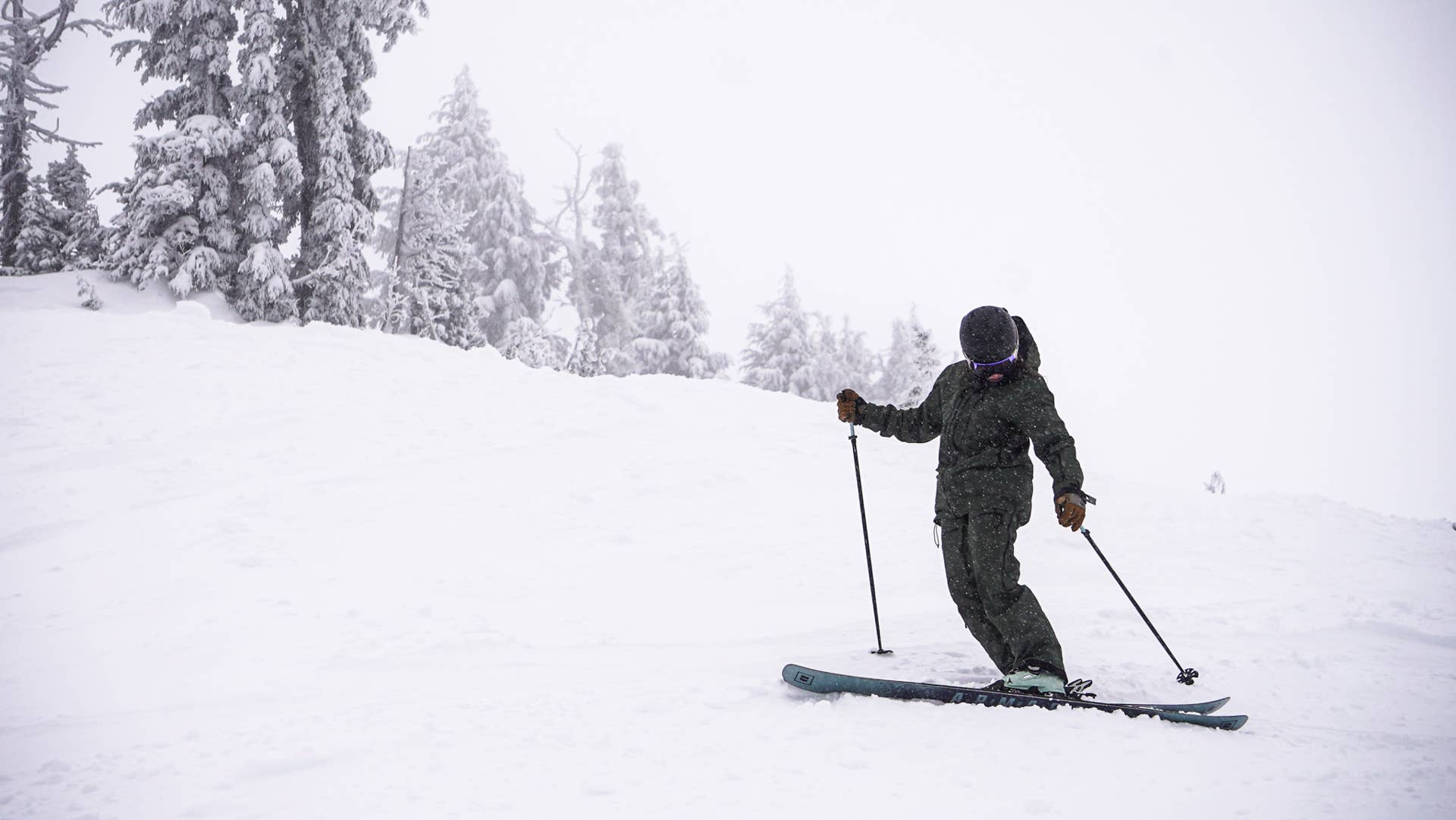
I tested the Stellar Free 2.5 kit on a couple of stormier, windy days at Mt. Bachelor as well as on a couple short tours in mild weather. Based on the out-of-the-box (actually, the cool little mesh bag this kit comes in!) quality of the jacket and pants, I felt confident quickly that the PFAS-free membrane would be notably waterproof and durable. Not only was it both of these, but the fabric showed no signs of affect from snow or water at all. I’d have few qualms about skiing in the rain in this kit, except for the normal qualms of skiing in the rain. The bibs were also particularly durable, especially around the cuffs and the gaskets were plenty stretchy without feeling like they’d wear out or over stretch over multiple seasons. I wouldn’t recommend doing so, but I did put these on while already in my boots (in a particularly dire situation) and didn’t have much worry or difficulty doing so.
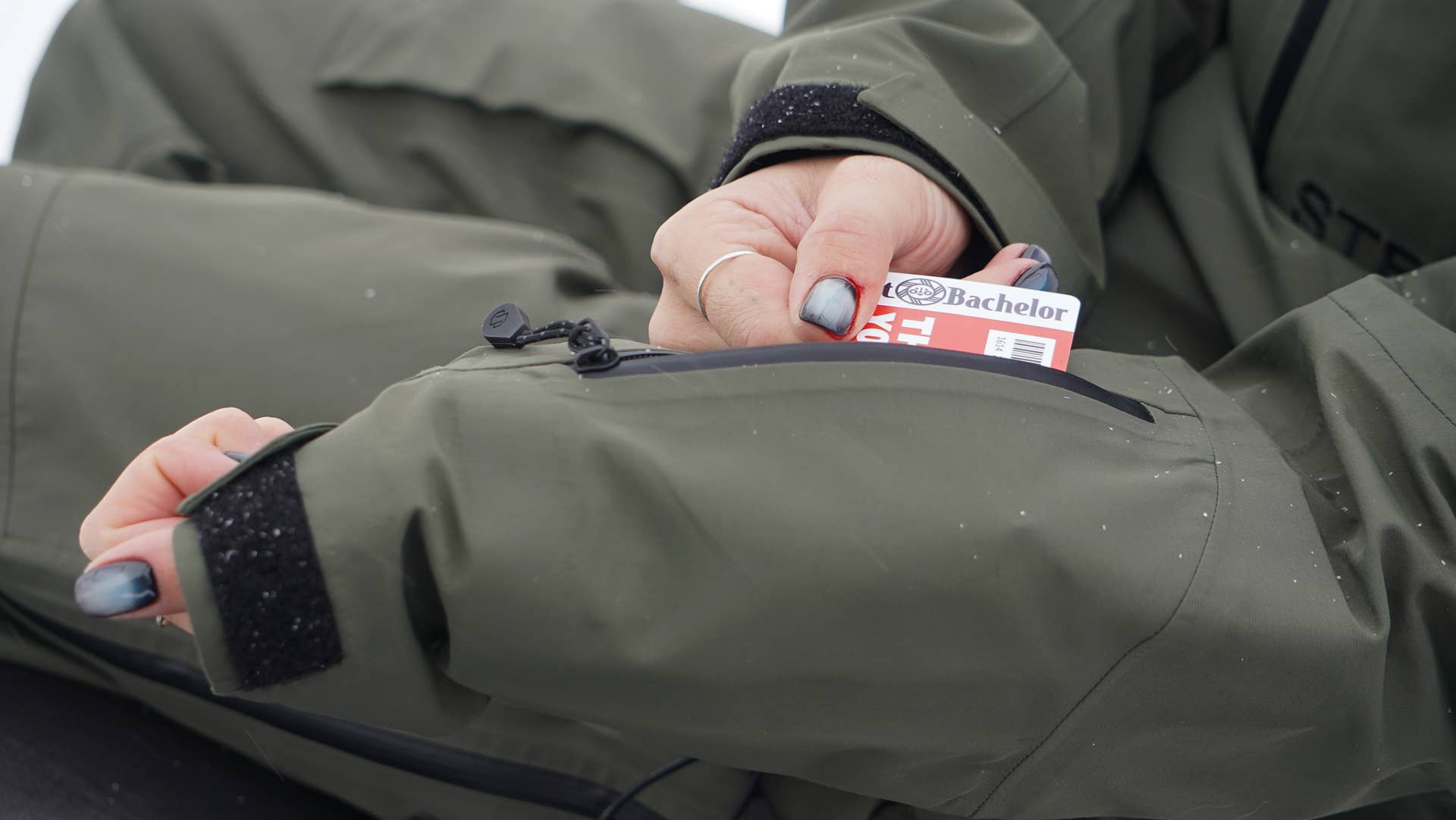
A pass pocket makes this a suitable jacket for in-bounds or backcountry skiing.
Mckinley Pillsbury
The Stellar Free 2.5 Jacket was packed with features alongside the great fabric that made it stand out as a high-quality, dependable shell jacket for any condition. It has two deep chest pockets as opposed to hip pockets, which I’ve loved in other jackets as well and always find myself happy to have. Large, two way pit zips are a bonus to this jacket’s breathable fabric when it comes to warmer days or touring in it. Although this jacket has no issues for big backcountry days, it also has an RFID pass pocket on the sleeve for resort skiing. The main zipper is a two-way zipper, which proves handy, but can be a bit hard to zip up and occasionally comes undone from the bottom. The jacket’s hood also doesn’t quite fit over a helmet, even a small one, for full protection, but is certainly better than nothing on super stormy days.
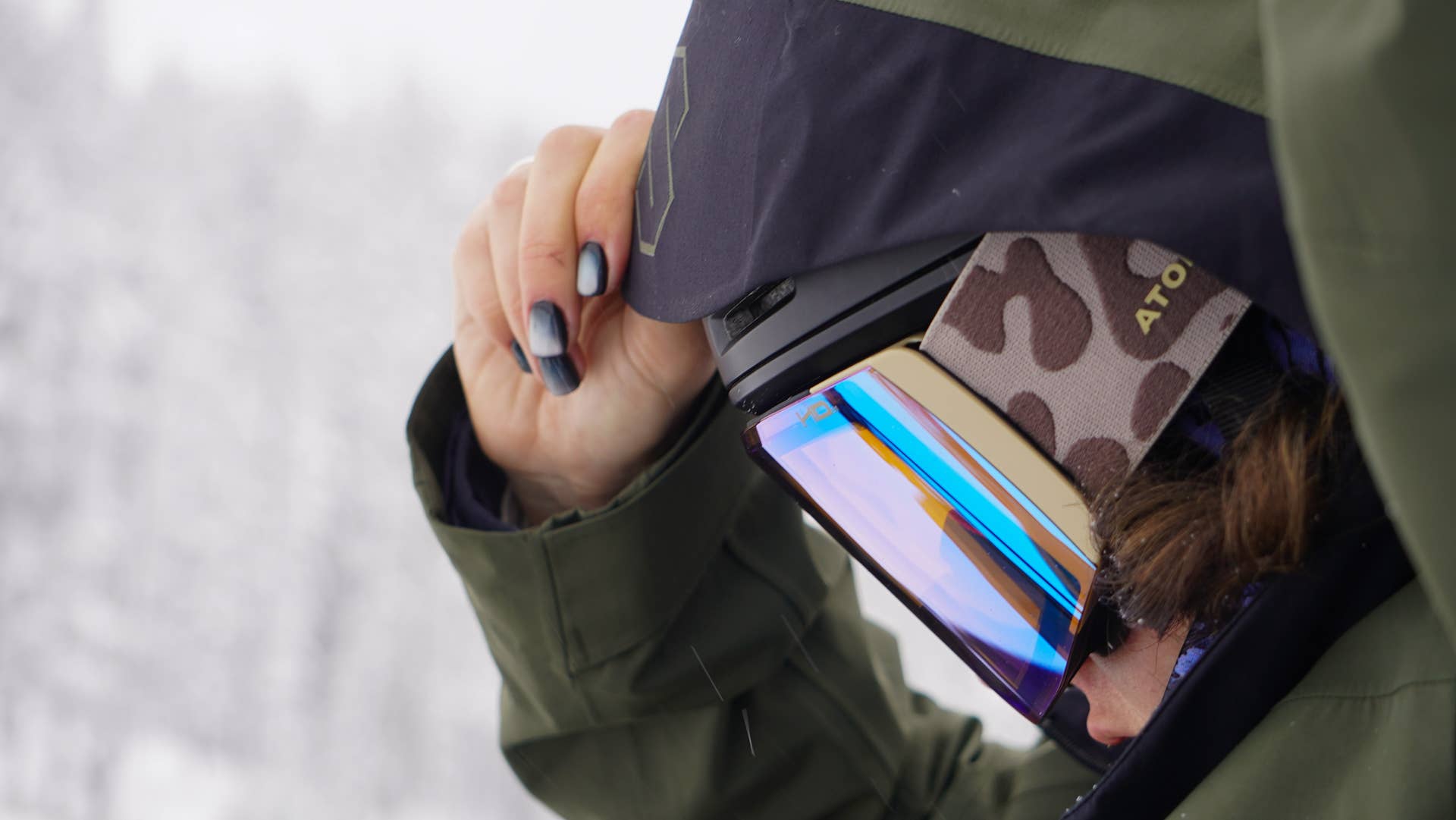
The hood comes up a little short when worn over a helmet.
Mckinley Pillsbury
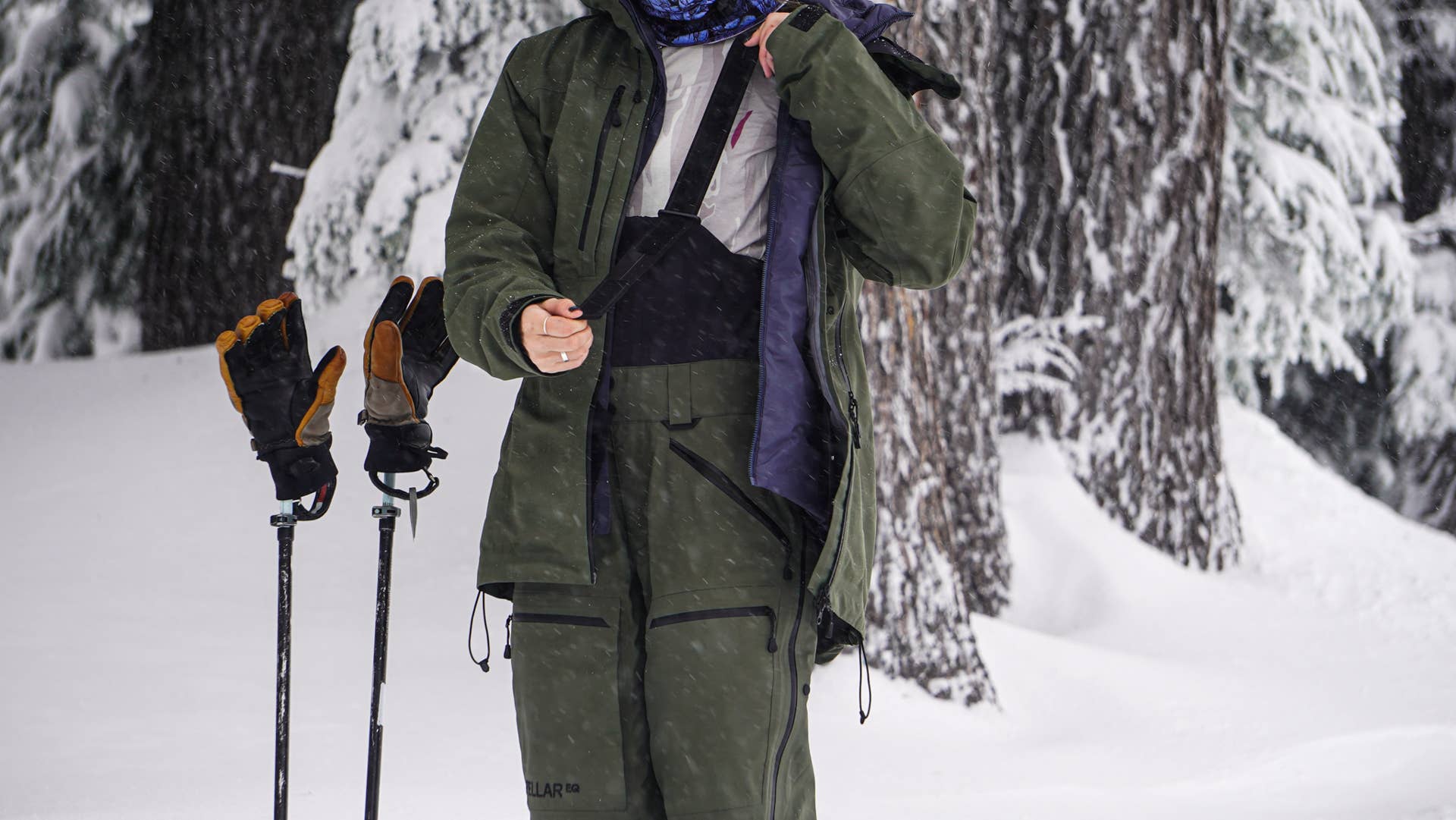
The Free 2.5 bibs stood out a bit more than the jacket as a truly fantastic piece of gear. Waterproof fabric covers as much as a pair of pants would and then extends into a meshy upper piece that stops mid-chest. There are belt loops if you prefer to wear a belt with your bibs, but the aforementioned velcro straps are also great. Both legs have roomy slant pockets as well as thigh pockets with a beacon hardpoint and little meshy inner pocket on the right leg. For walking uphill, the fabric was super breathable and even in a bit of an oversized fit, I never felt like I was inundated with extra material. Most importantly, the 2.5 bibs have a zippered bathroom flap–whoever designs bibs without that feature in 2026 should be imprisoned. I truly loved these bibs and they will undoubtedly remain a staple ski piece for me.
Max skied with this kit during the rainiest early season he’s ever experienced in nearly a decade of living in Jackson Hole, and was VERY impressed by both the waterproofing and breathability of the Dermizax fabric, saying “this really gives Gore-Tex Pro a run for its money.”
Velcro, lots of pockets, meshy uppers, check.
Mckinley Pillsbury
What Type of Skier is the Free 2.5 Kit Best For?
The Stellar Free 2.5 Shell jacket and bibs are for hard charging freeriders who are looking for a kit to do it all for years to come. Both pieces come in at a fairly high price point (jacket $679 USD, bibs $579 USD) and in a few muted color options (black, olive, khaki). If you are going to drop the cash on this kit planning to really use it for years to come, know that this kit will hold up and the quality is well worth the price. This kit will take you as deep into the backcountry as you want and similarly keep you cozy and sheltered on resort storm days.
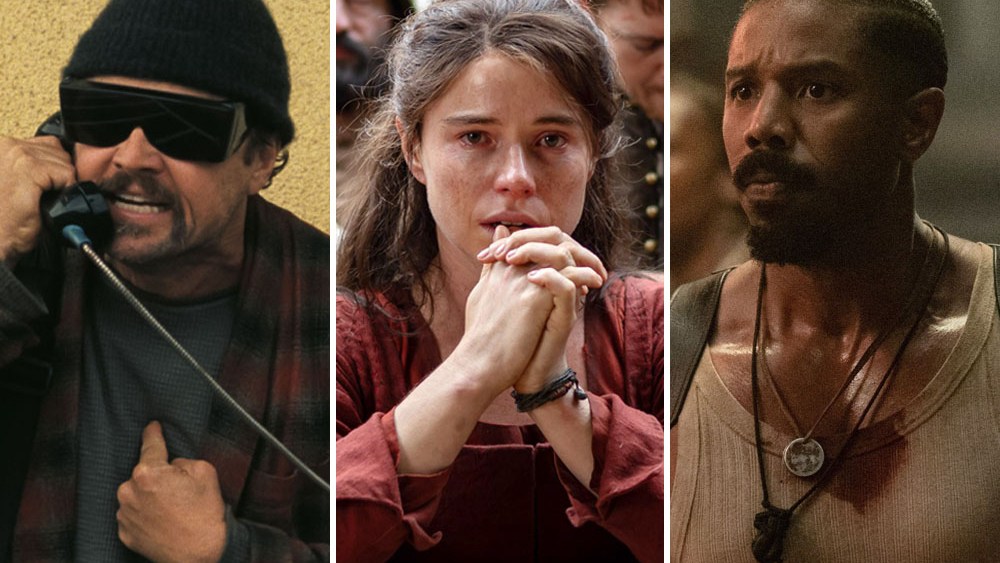
“One Battle After Another” has further strengthened its long-touted position as the movie to beat this awards season, landing atop the lineup of longlisted titles following the first round of voting for the 2026 BAFTA Film Awards.
Paul Thomas Anderson’s epic, scathing and increasingly topical political satire about U.S. extremism and polarization came away with 16 nods after voting across 25 categories — the highest since the longlist round was first introduced in 2021. Predictably, alongside best film, director and adapted screenplay, it dominated the performance lists, with Chase Infiniti, Leonardo DiCaprio, Teyana Taylor, Benicio Del Toro and Sean Penn all making it through to the next round.
Following on its heels, a tight pack of films is led by Chloe Zhao’s “Hamnet” and Ryan Coogler’s “Sinners,” which landed 14 longlist slots each. Right behind, Josh Safdie’s “Marty Supreme” earned 13 nods, with Yorgos Lanthimos’ “Bugonia” and Guillermo del Toro’s “Frankenstein” all receiving 12. Meanwhile, “Sentimental Value” and “Wicked: For Good” both found spaces on eight lists (down from the 10 the first “Wicked” earned last year, with Jon M. Chu again missing out on director but Cynthia Erivo in the mix despite recent SAG and Critics Choice snubs).
Alongside the expected big names in the race, there was good news for British films too. “I Swear” and “Pillion” landed on six lists and “The Ballad of Wallis Island” on five, including the performance categories. Robert Aramayo and Peter Mullan from “I Swear,” Harry Melling and Alexander Skarsgard from “Pillion” and “Wallis Island’s” Carey Mulligan all got through to round two.
“Wallis Island” and “I Swear” also managed to earn enough love from BAFTA voters to find themselves on the 10-strong best film longlist, as did “Nuremberg,” which earned six slots overall.
When it comes to snubs, some may be surprised that Jafar Panahi’s Palme d’Or-winning “It Was Just an Accident” didn’t manage more than two longlist mentions beyond original screenplay and film not in the English language. “The Secret Agent” landed in the same lists as “It Was Just an Accident,” but notably walked away empty handed for lead star Wagner Moura, still considered an Oscars potential. And for all its growing buzz, “Sirāt” also managed just two, for casting and film in the English language (and not, as many might have expected, for sound).
Meanwhile, many major films tipped early on for awards glory came away with even fewer nods. “The Smashing Machine” found space solely in make-up and hair list, “Jay Kelly” landed a supporting slot for Adam Sandler, while “Hedda” emerged with a leading actress slot for Tessa Thompson. Despite acclaim and multiple award nominations on home soil, local titles “Urchin” (the directorial debut of Harris Dickinson) and “My Father’s Shadow” also earned just one longlist space each (Akinola Davies Jr.’s “My Father’s Shadow” unexpectedly didn’t even make the outstanding British film list). As for complete shut-outs, “After the Hunt” and “The Testament of Ann Lee” were entirely absent.
As ever, all may change dramatically when the full list of nominations is announced on Jan. 27 (minus the Rising Star award nominees, which are unveiled on Jan. 14). Then it’s over to the BAFTA Film Awards ceremony itself, which will take place Feb. 22 at London’s Royal Festival Hall with Alan Cumming on hosting duties for the first time.
See all the longlists below.
BEST FILM
“The Ballad of Wallis Island”
“Bugonia”
“Frankenstein”
“Hamnet”
“I Swear”
“Marty Supreme”
“Nuremberg”
“One Battle After Another”
“Sentimental Value”
“Sinners”
OUTSTANDING BRITISH FILM
“28 Years Later”
“Ballad of a Small Player”
“The Ballad of Wallis Island”
“Bridget Jones: Mad About the Boy”
“The Choral”
“Die My Love”
“Goodbye June”
“H Is for Hawk”
“Hamnet”
“I Swear”
“Mr. Burton”
“Pillion”
“The Roses”
“Steve”
“Warfare”
OUTSTANDING DEBUT BY A BRITISH WRITER, DIRECTOR OR PRODUCER
In December 2012, POWDER magazine released the fourth issue of its forty-first volume, marking the first full season of publication for the eminent title since the devastating, paradigm-shifting avalanche at Tunnel Creek, Washington, an event that fundamentally changed skiing.
The accident just outside the boundary of Steven’s Pass ski area was sweeping in its scope. Sixteen individuals from disparate backgrounds—professional skiers, ski media luminaries, freeride comp pioneers, and local skiers—were involved. The tragedy would take three lives, and quickly reverberated through the ski world. Tunnel Creek was so impactful, its influence so wide-reaching, that it not only shifted the discussion on safety and mortality in the modern backcountry skiing movement, but its coverage by John Branch of The New York Times in a sweeping multimedia piece would win a Pulitzer Prize. The accident and the media surrounding it together marked an inflection point for the skiing culture.
And in that issue of POWDER (known as ‘the black cover’), editor and writer Matt Hansen would contribute his own sprawling exploration of skiing’s then seemingly all-too-close relationship with death in “Nature’s Feedback: Why Are So Many of the Best Skiers Dying?”POWDER had found itself not only covering the accident at Tunnel Creek; fellow editor John Stifter was a member of the party involved in the avalanche. The publication that had long touted itself as the core skier’s magazine had come to a crossroads after Tunnel Creek and a wider rash of deaths in skiing, and looked within.
“Even before last winter, the ski industry had been quietly grappling with a troubling trend: Too many of its best athletes were getting killed. Memorials and remembrances were becoming all too frequent,” Hansen wrote. “Every fall, magazines like this one roll out yet another tribute to another dead skier—the editors trying to balance paying respect to a hero and a friend while celebrating the search for deep powder, big air, and the next phenomenal athlete willing to go bigger, faster, farther than the last guy.”
From the loss of freeride innovators Jamie Pierre and Sarah Burke, who both passed away just months before Tunnel Creek, to the rise of the modern but often more risky forms skiing was taking in the backcountry, Hanson dissected not only the break-neck progression in all avenues of skiing—including a revolution in backcountry equipment and the seemingly limitless progression in park and air—he wondered how the skiing culture at large, including POWDER, had perhaps contributed to what seemed like a brinkmanship affecting skiing writ large.
“Throw in the fact that resorts, ski brands, and media—including this magazine—actively promote the cool factor of skiing beyond the ropes, plus the influence of social media—the constant game of over-sharing, self-promotion, and one-upmanship—and it seems that if you’re not out there killing it every day, you risk being left behind,” Hansen wrote.
The spate of deaths, perhaps not least of all the accident at Tunnel Creek, and the subsequent reflection by the media of what may have contributed to them together marked a seminal moment for skiing. Articles like Hansen’s and Branch’s were rare and poignant contemplations in a ski world often prone to escapism, and looked at the mosaic of factors— from approaches to avalanche safety to the rising impact of social media and the role sponsors played—and broadly wondered how the ski revolution, complete with modern gear, skiing, and ethos, had come to such a juncture.
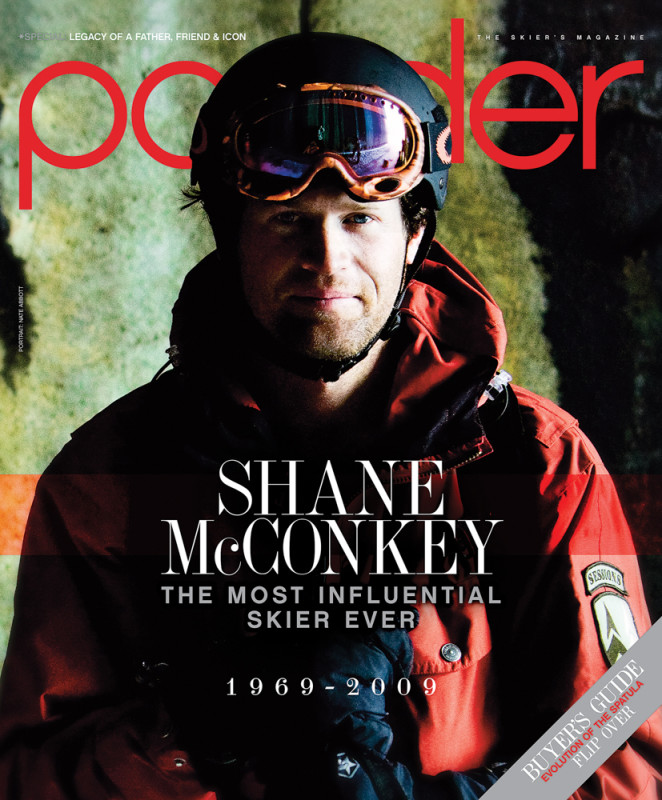
Shane McConkey.
But POWDER’s attempt to inject ski culture with a perhaps needed dose of metacognition reflected the still complicated endeavor of discussing death in skiing. Some readers were taken aback by Hansen’s article, expecting stoke and perhaps lighter fare from the core title, long known for celebrating the skiing lifestyle. Regardless, that year marked a sea change in ski media, forever altering how publications would approach weightier subject matter; topics that were then, and remain, divisive in skiing.
“It was a really important story about a lot of the tragedies of the most well-known professional skiers of that time,” prominent outdoor writer and long-time POWDER contributor Megan Michelson, who was present at the Tunnel Creek avalanche, remembers of “Nature’s Feedback.” “But it was a real downer, and so readers were angry about it. They get their POWDER magazine because they want to read about fun trips and cool people and new gear. They don’t want to read about ‘skiing is killing everybody.’”
POWDER’s ‘black cover’ would mark an early step in what would be a transformation at the magazine. And the complicated response to that issue would mirror the complicated topics at hand. “I think the response was pretty mixed,” John Stifter, former editor-in-chief at POWDER, now a licensed physiotherapist, who was invited to ski Tunnel Creek that day in 2012 with photographer Keith Carlsen while working on a piece on night skiing, says. “I think some people wanted us to continue to kind of be chicken soup for the skier soul and not get into kind of more political stuff, especially climate change. And then other folks were like ‘right on,’ you know, like ‘way to be honest and way to point the mirror back at yourselves and realize your role in this.’”
Writer Matt Hansen recalls the article as being surprising for readers, but along different lines. “I can’t speak for readers obviously, and if I remember correctly, I think it kind of shocked people, and we put it right on the cover,” he says. “I think people appreciated the fact we were taking on these hard topics instead of just writing fluff all the time.”
Speaking over the telephone from Jackson, Wyoming, by way of a Steamboat Springs cell phone number, Hansen, who was a writer and editor at POWDER for over fourteen years, reflected on what was a pivotal time in skiing and at POWDER. “We had come through and were seeing a troubling trend in skiing. We were celebrating all of these amazing achievements and the pursuit of life in the mountains, which is super worthy, and yet we were being hit–it seemed quite frequently–by a lot of skiers not coming home and dying in the mountains,” Hansen noted in the call. “And we were trying to grapple with this on the edit staff. How can we continue to celebrate skiing without recognizing the very real dangers and the very real and tragic consequences that sometimes come with it?”
Ski media was then grappling with giving their reader base what would drive them to subscribe and read, versus a cycle of hard news that many publications felt was their responsibility to report. And skiing had then endured a rash of tragedy.Beyond professional skiers like Burke and Pierre, and in addition to the seismic impact of Tunnel Creek, multitudes of local heroes and luminaries had also recently died skiing, including skiers like Steve Romeo, a long-time Jackson, Wyoming local and creator of the seminal backcountry skiing blog TetonAT, who himself and his skiing partner Chris Onufer passed away in an avalanche just weeks after Tunnel Creek. As the modern skiing experience coalesced along technologically ascendant lines, where equipment, films, and social media had together reached a tipping point of progression, something seemed amiss as many notable skiers were losing their lives. Part of the challenge for ski media was to present the topic to an often escapist skiing world.
“That’s an age-old dilemma for journalists, but especially ski journalists,” Michelson says, before detailing the importance and nuance of reporting and consuming deeper topics in skiing. “If we don’t talk about the hard stuff, whether it’s climate change or affordable housing or politics, then obviously we’re not fully participating as responsible humans in this activity because skiing is fun and it’s an escape, but it’s also part of this much bigger ecosystem,” she notes.
That ecosystem includes a skiing world where those difficult topics often struggle to find purchase, and where the discussion is often met with negative reaction. Hansen noted in “Nature’s Feedback” that the late Robb Gaffney, a prominent skier and filmmaker in 1990s Tahoe who later became a psychiatrist, was interviewed for an NBC segment in early 2012 that reported on the spate of deaths occurring in skiing. Gaffney noted that the death of Shane McConkey—a trailblazing skier who died in a ski BASE/wingsuit accident in 2009—was perhaps not unrelated to the pressure he felt to push the envelope for his sponsors.
Hansen noted how an anonymous user vehemently disagreed with Gaffney (and perhaps NBC’s characterization of Gaffney’s points) in a comment posted on the topic on Steve Romeo’s TetonAT. The user hurled a pejorative at Gaffney before continuing: “I remember him growing up and have now lost respect for him,” the user wrote of Gaffney. “A bunch of awesome people have been dying and trying for a very long time; skiers, climbers, boaters, surfers, soldiers, etc… What has changed is the widespread publicity and shear (sic) numbers willing to try. The line in the sand is most of this (sic) people would have done their passions despite the camera and glory. Personal enjoyment, progression and responsibility can’t really be measured at the f-ing news desk!”
HBO’s Real Sports with Bryant Gumbel, the venerable sports television newsmagazine, itself covered backcountry skiing and the rise in accidents in April of 2012, with correspondent Jon Frankel interviewing Tanner Hall, Chris Davenport, J.T. Holmes, and Elyse Saugstad, who had just months earlier survived the Tunnel Creek avalanche. While the segment was informative, it was also produced for wider consumption outside of the skiing nucleus. The prominent display of Tanner Hall and his ski-bro persona seemed to be used as a vehicle for novelty for a general public unlearned in ski slang and vibe. Frankel also described backcountry skiing in somewhat sensationalist terms, saying in a monologue that “for Hall, and a lot of diehard skiers these days, the ultimate test isn’t at a ski resort or in a halfpipe, it’s here, in what’s called the backcountry; the steepest, most daunting mountains on earth.”
While Real Sports’ coverage of backcountry skiing was notable, some felt its tone and analysis leaned heavily into characterizing professional skiing as perhaps reckless without grounding the discussion in the reality of what backcountry skiing entails for most, leading skiers, and ski media outlets, to criticize their coverage. In reaction, SKI, perhaps the most mainline ski magazine, noted in a review of the episode that “Last night, HBO’s look at backcountry skiing on Real Sports with Bryant Gumbel lived up to our predicted expectations by grossly sensationalizing backcountry skiers as reckless, Red Bull-fueled adrenaline freaks with a death wish.”
McConkey’s death, which was referenced in the Real Sports segment and preceded Tunnel Creek by several years, was part of the rash of losses then occurring in skiing, and similarly, if in perhaps less directly relatable ways, brought to the fold questions of limits and safety in skiing. But the wider discourse on McConkey’s death coalesced along different lines than Tunnel Creek would, reflecting a ski culture’s typical coming to terms with fallen heroes.
Matchstick Productions, the core skiing movie house that McConkey was long affiliated with, subsequently produced a documentary released in 2013 that was distributed by Red Bull Media, the energy drink-turned extreme icon arbiter who was perhaps McConkey’s most notable sponsor. Hero worship was deserved for the skier who not only pushed the limit in extreme skiing but also played a significant role in the modern ski equipment paradigm. But while accolades were deserved, a deeper treatise on the topic—outside of articles like Hansen’s—is often little discussed in such instances, especially in a branded ode to the departed.
In differing ways, media from the likes of POWDER and Matchstick Productions marked a response from the skiing nucleus; a perhaps more introspective reflection from the subculture itself on what was then occurring. While the spate of deaths received additional, at times illuminating coverage from media like NBC and HBO’s Real Sports, the mainstream media’s treatment of core ski culture is often taken up when that news is provocative, and many in skiing recoil at such coverage, feeling it rarely includes requisite nuance.
But the continued loss of skiers and subsequent introspection that occurred changed the discourse in skiing in a way only a careful, expert analysis could. “We felt like it was time to address it,” Hansen says. “And we weren’t the only ones at the time. The ski community was starting to sit up and be like ‘okay, well all of this progression we’re seeing, all of these amazing things, there’s a very real consequence to it if you make a mistake or if you have a tiny misread of the conditions.’”
And perhaps the most thorough discussion of danger and death in modern skiing—especially in the backcountry—ironically came from the mainstream media in John Branch’s seminal, Pulitzer Prize and Peabody award-winning New York Times multimedia article “Snow Fall,” which was released contemporaneously with Hansen’s piece featured in POWDER.
Speaking to the paradigm shift then occurring in skiing and ski marketing, Branch poignantly touched on the broad mechanisms present in the culture’s relationship with danger, echoing Matt Hansen of POWDER when he noted that “marketing shifts have coincided with a generation raised on the glorification of risk. From X Games to YouTube videos, helmet cameras to social media, the culture rewards vicarious thrills and video one-upmanship. This generation no longer automatically adheres to the axiom of waiting a day for safer conditions. The relative placidness of inbounds skiing is no match for the greater adventure of untamed terrain.”
But aside from astutely detailing snow science, the rise of back- and sidecountry skiing (and the problematic nature of the latter term), and his brilliant treatment of the role decision making plays in any group taking to a dangerous endeavor, “Snow Fall” was notable for its intimate portrayal of the individuals who were impacted, interviewing those involved in the rescue effort and loved ones who lost partners in the accident, giving the discussion on paying the ultimate price skiing unique nuance. Branch’s inclusion of desperate 911 dispatch recordings, texts from loved ones checking in after hearing of the slide, and candid video interviews by gutted partners added complex hues to the discourse on risk and death in skiing, perhaps never quite captured before, or since. It marked an intimate, difficult reality seldom encountered in ski media. Something POWDER would continue to lean into in the coming years.
Branch had accomplished not only a seminal article touching on human nature, decision making, and why people take to seemingly trivial, dangerous, yet deeply meaningful pursuits—an almost Homeric approach to skiing akin to works on climbing—his piece stands as amongst the modern ski movement’s most metacognitive literature, not least of all in regards to loss and death.
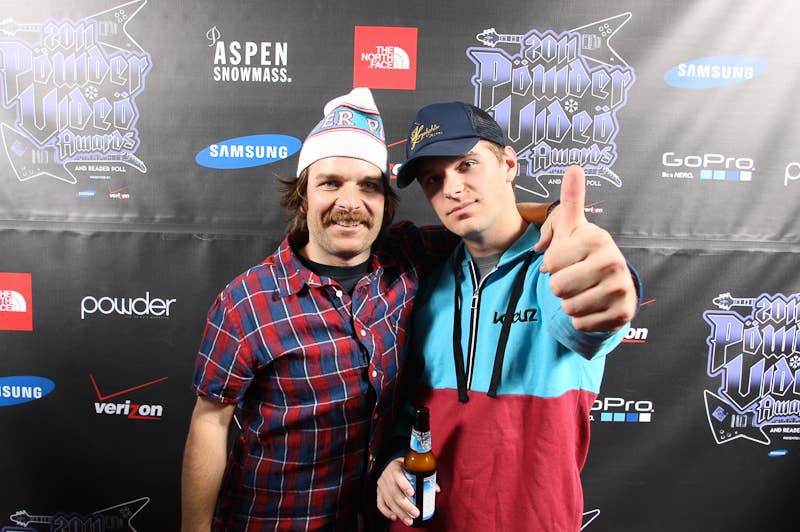
Former POWDER editors Matt Hansen (left) and Mike Rogge (right), 2011.
Still, the scope of covering serious topics in skiing remains a fraught endeavor. Readers often expect more aspirational stories from ski media, and perhaps they should consider the sport’s foundation in fun and escapism. And, through social media, readers now have more ability than ever to circulate snippets showcasing that perspective, while the platform also grants an ability to criticize how a publication might take to weightier issues, especially considering the devolved political discourse.
Still, skiing is unavoidably impacted by broader topics like mortality.
“I do think it’s super important that we have people…who are covering these hard topics,” writer Megan Michelson says before noting the challenges of chasing these stories. “There’s less people doing that nowadays because it’s harder to make a living doing it. So I think you have to dance the fine line through. Maybe for every five stories you write about something hard, you also pick a fun piece just so that you remember why you got into this in the first place. And because readers need that break.”
Further elaborating on the shift in content that occurred at POWDER, and the consensus for moving that direction, former editor John Stifter notes that “when I became editor [just two months after Tunnel Creek], it was pretty obvious we couldn’t continue to ignore our culpability in that as POWDER. We’re publishing these photos; we’re celebrating these trends of people getting out there, and so it was just a real, personally for me, it was a real pause and reevaluation.”
Moreover, former POWDER editor Mike Rogge, whose tenure at the magazine coincided with both Hansen’s and Stifter’s, asserts that the magazine shifted its stance markedly after the accident at Tunnel Creek, and that the title’s focus on safety presaged a pivot to a broader, perhaps more thoughtful approach that, in his mind eventually doomed the magazine in its previous iteration.
“The Steven’s Pass avalanche is kind of what really changed everything at POWDER,” Rogge told Mike Powell on The Powell Movement podcast in December of 2021.
“I think, unfortunately, we went too far in the direction of safety, we got a little preachy, and I think ultimately the downfall of the magazine was that we had decided pretty clearly that we wanted to focus more on big issues affecting skiing,” Rogge said on the podcast. “And not on the reason why we all got into it, which is the love, and the joy, and the hilarity, and the absurdity of what it means to be a skier. And that was what made POWDER what it was, not making it The New Yorker or The Atlantic of skiing. That was our downfall.”
Stifter disagrees with characterizing that period as a downfall, though he agrees with Rogge generally. “In my twelve years at the magazine, we went through four buyouts. So, I don’t really think it’s too much to do with specific coverage,” Stifter says. “I do think that people may have started to roll their eyes a bit at some of our coverage and just thought, ‘hey, like look, you guys are a ski magazine at the end of the day. You’re not investigative journalists. Stick to skiing more.’”
“I think where he’s totally right is I think the business model led to the downfall. But that’s not to say that coverage didn’t have an impact on that. I mean it was definitely a different magazine than what you picked up in 2006. I would say that.”
While Rogge’s own Mountain Gazette occasionally delves into larger topics, it also focuses heavily on story-telling, while the mainstream skiing discourse continues toward a social media and gear listicle-leaning nature (though audience-facing models seem to be gaining traction there), perhaps showcasing that while articles like Hansen’s and Branch’s changed the narrative around mortality in skiing, it could only go so far in a ski world whose very essence is perhaps a counterpoint to metacognition.
In a line from “Nature’s Feedback,” one that used a refrain the late Steve Romeo long used, Matt Hansen cognated on threading the needle between skiing’s experiential side and the occasional need for deeper reflection:
“With so many fatalities and near misses, some people are starting to think skiers need to change their approach, maybe take a step back from the edge,” Hansen wrote. “Romeo’s mantra, which he often quoted on TetonAT, was ‘Live to Ski.’ But in a time that’s seen so much tragedy, maybe it’s time to live to ski…another day.”
Stevens Pass, Washington.
Shutterstock/Cascade Creatives
Today, the discussion on safety in skiing is integral to the discourse. And ski media’s response to events like the accident at Tunnel Creek has had a lasting impact on its inclusion. Avalanche centers and classes have made articles like the POWDER multimedia piece “The Human Factor,” a broad exploration of safety in skiing, required reading. Even heavier nonskiing topics like mental health have become mainstays in the ski media narrative.
But while the sport has always been quick to eulogize those lost skiing, a deeper reflection on mortality is still often missing. Mirroring the broader culture’s typical approach to the topic, skiing continues to hold death at arm’s length, often retreating to the comfort of hero worship and fond memory over analysis and reflection when in its shadow.
But writers like Matt Hansen poignantly note that those seemingly opposing discussions in skiing are not mutually exclusive. Speaking of the late Robb Gaffney, who similarly picked up the mantle of reflecting on what was then happening in skiing around 2012, Hansen notes that Gaffney “was saying just because we are having these conversations doesn’t mean that we can’t celebrate our heroes and it doesn’t mean that we can’t love them as much as we’ve always loved them, but let’s try to be honest about how people die in the mountains so that the rest of us can learn and so that we can pass those lessons on to other skiers so that we don’t go through this heartbreak of losing loved ones and friends.”
And though the current paradigm in ski media is little poised for diving deeply into thoughtful topics with its heavy lean on social media, gear, and experience, Tunnel Creek and the response to it forever affected skiing. “Our coverage totally changed from not only more responsible coverage of just avalanches, and also the decision-making, terrain, and all of that. But also looking at climate change and its impacts on mountain communities and what that looks like for the future,” Stifter says.
Still, it is perhaps only natural that the ski culture is often averse to discussing death and broader topics. Skiing is rooted in the moment and enjoying it. But while the sport and its lifestyle are based on that whimsical nature, a counterpoint of seriousness does lie at the terminal end of the experience. And, to many, avoiding those topics leaves the discourse incomplete.
Tunnel Creek may mark the seminal moment in modern skiing. It was but one in a slew of accidents then occurring in skiing, but was enormous in scope—both in how large and varied the group involved was—but also in how relatable the event continues to be. Many skiers, then and now, take to skiing like that group did. And the resulting metacognition and dissection of risk—and the reaction to it from the core skiing culture—has impacted not only how avalanches and safety are broadly discussed; it also showcased the complicated nature skiing publications face when diving into deeper subjects, and the complicated way the subculture’s readership reacts to those topics. With the success of many larger ski publications being tied to an internet-facing platform and its metrics, these articles, long-form and analytical, may find less avenue for discussion as time goes by.
But regardless of that, thoughtful writers like Matt Hansen and John Branch changed the narrative in skiing. No matter how quietly that legacy lives on, no matter how complicated its readership takes to those topics, it has indelibly influenced the skiing subculture.
“I get asked about that piece still,” Hansen says, nearly fourteen years on.
About The Brave New World of Skiing Column
This article was written by POWDER writer Jack O’Brien for his bi-weekly ‘Brave New World of Skiing’ column. Click below to read the previous column, ‘Your Favorite Outdoor Brand is Probably Struggling Right Now’.
Disney’s “Avatar: Fire and Ash” held the No. 1 position at the U.K. and Ireland box office for a third consecutive weekend, adding £4.4 million ($6 million) and lifting its cumulative total to £31.6 million ($42.8 million), according to Comscore.
Lionsgate U.K.’s erotic thriller “The Housemaid,” starring Sydney Sweeney and Amanda Seyfried, remained a strong second, pulling in $5.2 million in its sophomore frame to reach $16.7 million after two weekends.
Entertainment Film Distributors’ “Marty Supreme,” starring Timothée Chalamet, climbed to third place with $3.7 million, pushing its total to $8.1 million after two weeks in release. Disney’s “Zootopia 2” followed in fourth, grossing $2.8 million to bring its six-week total to $37.2 million.
Paramount’s “The SpongeBob Movie: Search for SquarePants” rounded out the top five, earning $1.6 million for a total of $8.1 million in its second weekend.
Further down the chart, Universal debuted Craig Brewer’s Hugh Jackman–Kate Hudson vehicle “Song Sung Blue” with $1.3 million and Sony’s “Anaconda” added $1.1 million for a $5.3 million running total.
Universal’s long-running hit “Wicked: For Good” continued its endurance run in eighth, grossing $820,000 and reaching a robust $62.9 million after seven weekends.
Trinity Filmed Entertainment’s Hong Kong action title “Back to the Past” debuted in ninth with $341,000, while Mubi’s “Sentimental Value” rounded out the top 10, adding $247,000 for a $821,000 cumulative total.
Upcoming releases begin on Thursday with Telugu-language title “The Raja Saab,” starring Prabhas, from Prathyangira Cinemas.
The first notable wide release of the new year arrives with Universal Pictures’ “Hamnet,” which rolls out to more than 300 locations. Directed by Chloe Zhao, the adaptation of Maggie O’Farrell’s bestselling novel stars Jessie Buckley and Paul Mescal, with Emily Watson and Joe Alwyn in supporting roles.
Also opening on Friday is Jim Henson’s fantasy classic “Labyrinth,” returning to cinemas for its 40th anniversary via Park Circus. The David Bowie–Jennifer Connelly title is set for a broad reissue across 100-plus sites.
On the specialty side, True Brit Entertainment releases boxing docudrama “Giant,” starring Pierce Brosnan and Amir El-Masry, while Dartmouth Films brings documentary “Becoming Victoria Wood.” Directed by Catherine Abbott, the film features contributions from Dawn French, Jennifer Saunders, Maxine Peake and Joan Armatrading.
Welcome to 2026. In the spirit of the New Year, we—the POWDER crew—decided to make note of the recent ski movies we loved most. This isn’t a judged, finely-tuned selection, because none of us has watched all of the countless ski movies that came out at the end of 2025. Instead, for this list, we each wrote about the movie that, personally, we found the most entertaining or impactful.
The 2026 POWDER Photo Annual is here! Look for a print copy on a newsstand near you, or click here to have a copy shipped directly to your front door.
Ornada
Matt Lorelli: There’s nothing like a live ski movie premiere to get the preseason juices flowing, but many films have felt stale in recent years.
I was just starting to grow incredibly tired of watching familiar 40-something-year-olds ski the same lines they did 20 years ago when BAM, Armada Skis dropped Ornada and melted my face off.
Complimented by a live score played by a band that seemed too good to be involved with a ski movie, the world premiere of Ornada in Salt Lake City, Utah, felt like a fever dream. Kids, teens, young adults, and senior citizens all bobbed their heads in unison as Sammy Carlson popped pillows while MC Dillon Cooper rapped with passion. Cheers shook the venue when skiers such as Quinn Wolferman, Rell Harwood, and Toby Rafford landed a big line or trick.
21-year-old phenom Olivia Asselin’s various street segments sent a group of crusty parkrat teenagers into a frenzy. I think I heard them say the word “bro” at least a hundred times in disbelief.
I’ve used this phrase too many times, but the energy was, indeed, palpable.
No offense to the legends who carried ski movies throughout the aughts and teens, by the way, but Ornada felt like the fresh start the ski movie industry was desperate for.
I haven’t watched the film since that initial screening in SLC, but small moments are seared into my brain months later. If that’s not enough to be my personal ‘Ski Movie of the Year’, then I’m not sure what is.
The live-scored performances of Ornada are over, but the film will be released in 2026 with a recorded version of the score. You must watch it. I beg of you.
The Edge of Reason
View this post on Instagram
Izzy Lidsky: Back in 2020-ish, Cody Townsend and Michelle Parker released a film called The Mountain Why that chronicled the two of them biking from their houses in Tahoe to Mt. Hood, Mt. Rainier, and El Dorado Peak to check off more of Townsend’s FIFTY Project lines. Long story short, it was one of the most impactful ski films I’d ever seen, singlehandedly convinced me to buy a gravel bike, and still lives rent-free in my mind.
Despite the impact of it, I never became an avid FIFTY watcher, but rather enjoyed seeing episodes here and there at Salomon’s QST film tour when it would come to town or when they featured particularly interesting lines or fellow athletes.
When asked to write about my favorite ski film of the year, my first thoughts were of films that got me excited to ski, broke the traditional film mold in some way, or were just plain old sick. Titles like ORNADA (Armada Skis), Flipbook (Parkin Costain), Lines (Mallory Duncan),Cold Calls (Blank Collective), and Slipstream (Alex Armstrong) floated around in my brain as films I loved watching.
Then, the QST film tour’s stop in Bend this fall came to mind. Here, we were treated to another of Townsend’s films that left me thinking about it for days and weeks to come. The Edge of Reason follows Townsend and his wife and fellow professional skier Elyse Saugstad to Norway in the Spring of 2025 as they meet up with Nikolai Schirmer in search of new freeride lines and a return to the type of freeskiing that made their careers. Upon arriving in Norway, they get a call with the news of their friends’ passing in an avalanche. The news completely changes the energy of the trip, and Townsend and Saugstad are left confronting questions about risk vs. reward in the mountains just as they set out to ski new terrain.
The film was a truly vulnerable look at how someone like Townsend or Saugstad considers these things when their job is entwined with the mountains and more broadly into that of how professional athletes manage risk. It was also edited by Mike Douglas, who has an editing style I really enjoy and an amazing way of telling a story, so message aside, it was beautifully done.
I love shred porn as much as the next skier, but I find that the films that stick with me are the ones that make me really feel something and think maybe there’s more to skiing than we often consider. The Edge of Reason was deeply relatable, having lost friends in the mountains and questioned my own decisions more than a few times, and I cried my eyes out watching it.
The Jetskis Movie
Ian Greenwood: The Jetskis Movie was made over the span of five years—an absurdly long ski movie timeline—meaning the creators, presumably, had a massive bank of footage to draw from. As a result, there’s little, if any, filler across the movie’s brisk 20-minute runtime. Each shot is impressive and creative in its own right. Dull moments are rare, and the team behind it has honed the gritty street skiing lane they operate in. As one YouTube comment below the video that I resonated with put it: “My attention span is just fine.”
The Jetskis Movie may not, like some other ski movies, be FOMO-inducing—I won’t be jumping down a stairway without wearing a helmet any time soon, for instance (I’d rather go ski powder in Japan). But it is a potent and much-needed dose of something I can’t quite put into words. Is it passion, ski bummery, or the tired buzzword ‘authenticity’? I’m not sure. Regardless, the opening shot, which shows a doomed skier coming up short after soaring over a canal, sets the punk-inflected tone that struck me. Soon, I found that it was worth sticking around for the rest of the wild ride.
Related: How to Enter the 4FRNT X POWDER Devastator Giveaway
The team behind Yash‘s “Toxic – A Fairytale for Grown-Ups” has revealed the first look at Tara Sutaria as Rebecca, continuing a series of character unveilings that have amplified anticipation for the 2026 theatrical release.
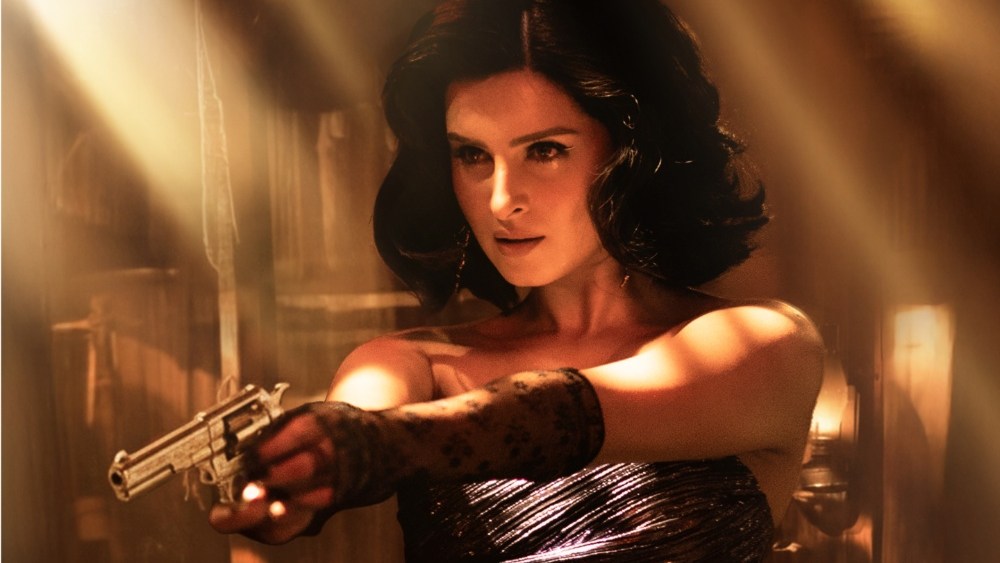
Following reveals of Kiara Advani as Nadia, Huma Qureshi as Elizabeth and Nayanthara as Ganga, the poster introduces Sutaria’s character as a figure combining fragility with underlying strength. The image presents Rebecca in an unraveled state, suggesting a character navigating vulnerability while maintaining an instinct for authority and survival.
Sutaria made her film debut with “Student of the Year 2” in 2019, winning the Zee Cine Award for Best Female Debut. Her subsequent work has included action films “Marjaavaan,” “Heropanti 2” and “Ek Villain Returns,” alongside the survival thriller “Apurva” in 2023, which critics noted offered her expanded dramatic range. “Toxic” marks her first pan-India production.
Yash, the Kannada-language film industry actor who rose to pan-Indian stardom with the “K.G.F” franchise, has become one of the most sought-after stars in Indian cinema. Known for his portrayal of Rocky Bhai in “K.G.F: Chapter 1” (2018) and “K.G.F: Chapter 2” (2022) Yash’s transformation into a larger-than-life action hero propelled the films to unprecedented box-office success, breaking language barriers. The second instalment in the franchise is the fifth highest Indian grosser of all time. While the “K.G.F” series cemented his star power, Yash’s early career in Kannada-language films showcased his versatility, with notable performances in projects such as “Mr. and Mrs. Ramachari” (2014) and “Googly” (2013).
“Toxic” is helmed by festival circuit darling Geetu Mohandas (“Moothon”). The ambitious project represents a watershed moment for Kannada cinema, which has been steadily gaining international traction following the “K.G.F” phenomenon. Written by Yash and Mohandas, “Toxic” is breaking new ground as the first major Indian film conceptualized, written and shot simultaneously in both the Kannada and English languages – with dubbed versions planned for Hindi, Telugu, Tamil, Malayalam and additional languages.
“I’ve always felt an instinctive love to protect Tara. Perhaps because she is a guarded soul or perhaps it’s the armor she’s comfortable with. And perhaps it doesn’t need to be defined,” said Mohandas. “I realized early on that the best way to reach her was not by pushing, not by demanding more, but by allowing her the space to simply be. That choice shaped our equation which turned out calm, deeply professional, and perfectly aligned. She observed more than she spoke. She listened more than she revealed. And I often wondered if I should guide her more closely. But in her silence, something powerful was brewing. When she finally stepped into her performance, what emerged was nothing short of breathtaking which is born from an inner understanding she carried all along. She surprised me completely, and in the most beautiful way. I have no doubt she will surprise everyone else too.”
The production has assembled a notable technical crew including Indian National Film Award-winning cinematographer Rajeev Ravi, composer Ravi Basrur, editor Ujwal Kulkarni and production designer T.P. Abid. Action sequences have been choreographed by Hollywood’s J.J. Perry, known for his work on “John Wick,” alongside Indian National Film Award-winning duo Anbariv and Kecha Khamphakdee.
Written by Yash and Mohandas, “Toxic: A Fairytale for Grown-Ups” has been shot simultaneously in Kannada and English, with dubbed versions planned for Hindi, Telugu, Tamil, Malayalam and additional languages.
The production features National Award-winning cinematographer Rajeev Ravi, composer Ravi Basrur, editor Ujwal Kulkarni and production designer TP Abid. Action choreography comes from Hollywood’s JJ Perry, known for his work on “John Wick,” alongside National Award-winning duo Anbariv and Kecha Khamphakdee.
Produced by Venkat K. Narayana and Yash through KVN Productions and Monster Mind Creations, “Toxic – A Fairytale for Grown-Ups” is scheduled for theatrical release March 19, 2026, capitalizing on the extended holiday weekend that encompasses Eid, Ugadi and Gudi Padwa celebrations.
DISCLAIMER: All persons are presumed innocent until proven guilty. MARSHALL, Tx. (KTAL/KMSS) – A Marshall man has been arrested after allegedly shooting at several individuals. Around 8:30 p.m. on December 22, 2025, police were called to the 700 block of N. Loop 390 Highway following reports of gunshots in the area. Upon arrival, officers spoke […]