Have you heard the news? A mega El Niño is approaching, and every ski resort from California to Maine is now expecting a record-breaking season in terms of snowfall.
You’d better buy their pass now before it’s too late!
Truthfully, many western ski resorts are looking to cash in on the hopeful nature of a strong El Niño following last season, which could go down as one of the worst in North American history. As with any industry in capitalist America, you need only follow the money.
The National Ski Areas Association (NSAA) reported a sharp decline in skier visits last season in Colorado, Utah, and most western states due to low snowfall. By the NSAA’s metrics, the Winter of 25/26 saw 15% less skiers than the season prior. The season’s estimated 52.6 million skier visits was 9% below the ten-year average.
Hotel visits were down, restaurant revenue plummeted, ski brands struggled to sell products, and POWDER even felt the pinch in our daily web traffic and social media engagement metrics.
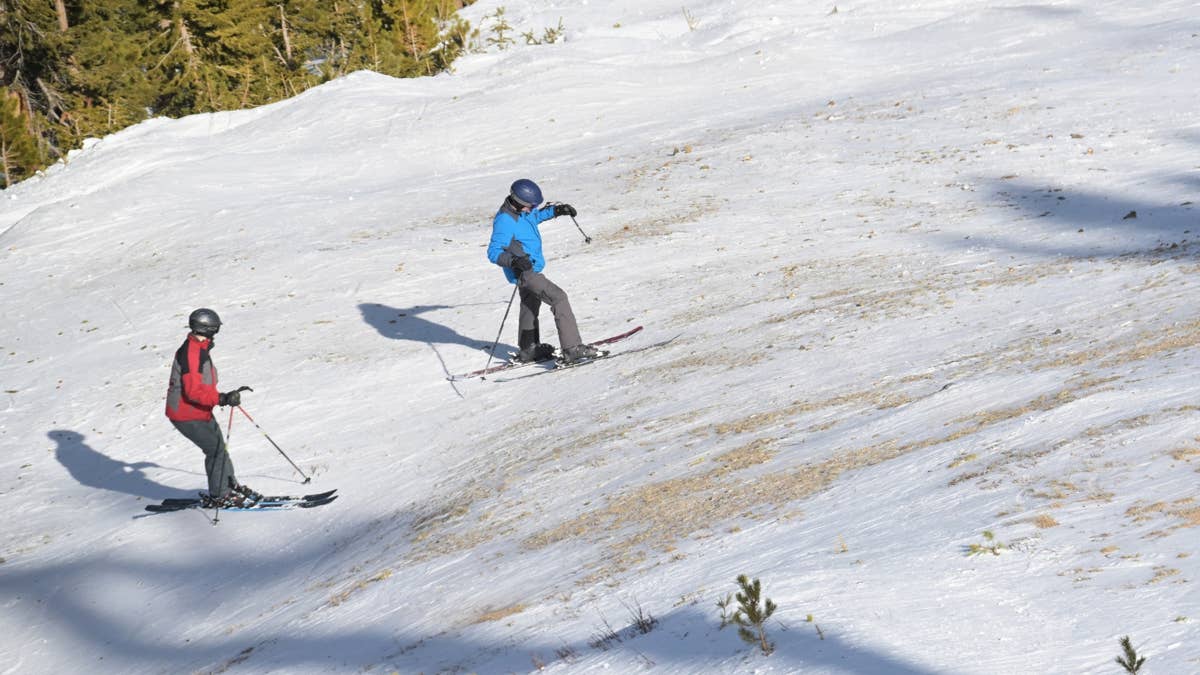
It seemed that by mid-March of 2026, the majority of skiers simply gave up on the season.
Hyoung Chang/The Denver Post
A strong El Niño forecast with ill-advised guarantees, wishful thinking, and record-breaking snowfall forecasts, then, is exactly what the ski industry needs to bounce back.
August, September, and October are typically when the big dogs (Alterra Mountain Company and Vail Resorts) sell the majority of their passes, hotel reservations, and other products. Logging a fruitful preseason in terms of sales is something they’re not just hoping for, but practically relying on.
It’s why we’ve seen multiple ski resorts post lofty forecasts on their social media channels, immediately followed by a link to book a ski lesson, secure a hotel room, or buy a pass. It’s all part of a greater marketing ploy to mitigate the pains felt last season.
NWS
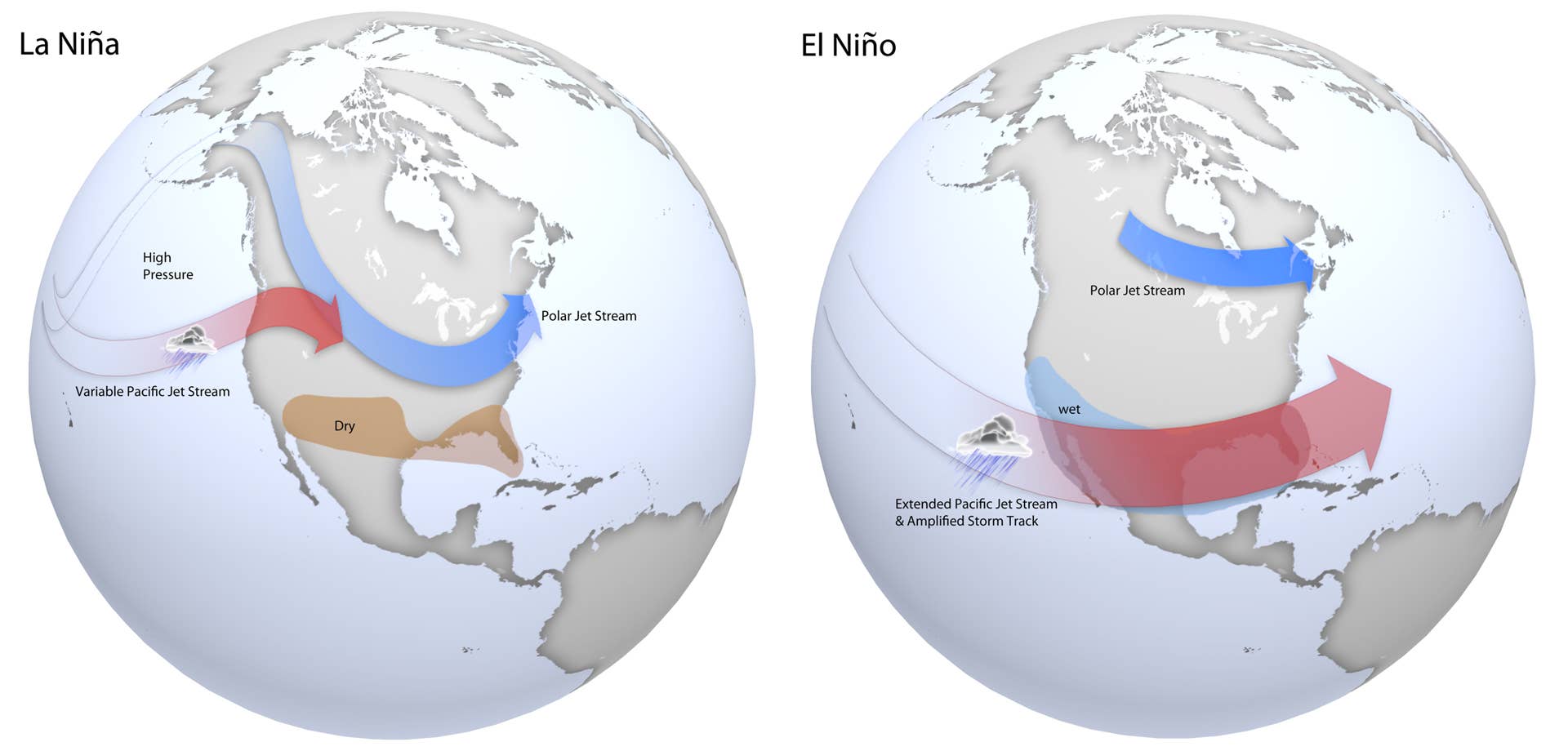
In reality, yes, a strong El Niño will most likely deliver above-average snowfall to ski resorts like Palisades Tahoe, Mammoth, Wolf Creek, and Taos, but as The Central Sierra Snow Lab (CSSL) proved recently, nothing is guaranteed.
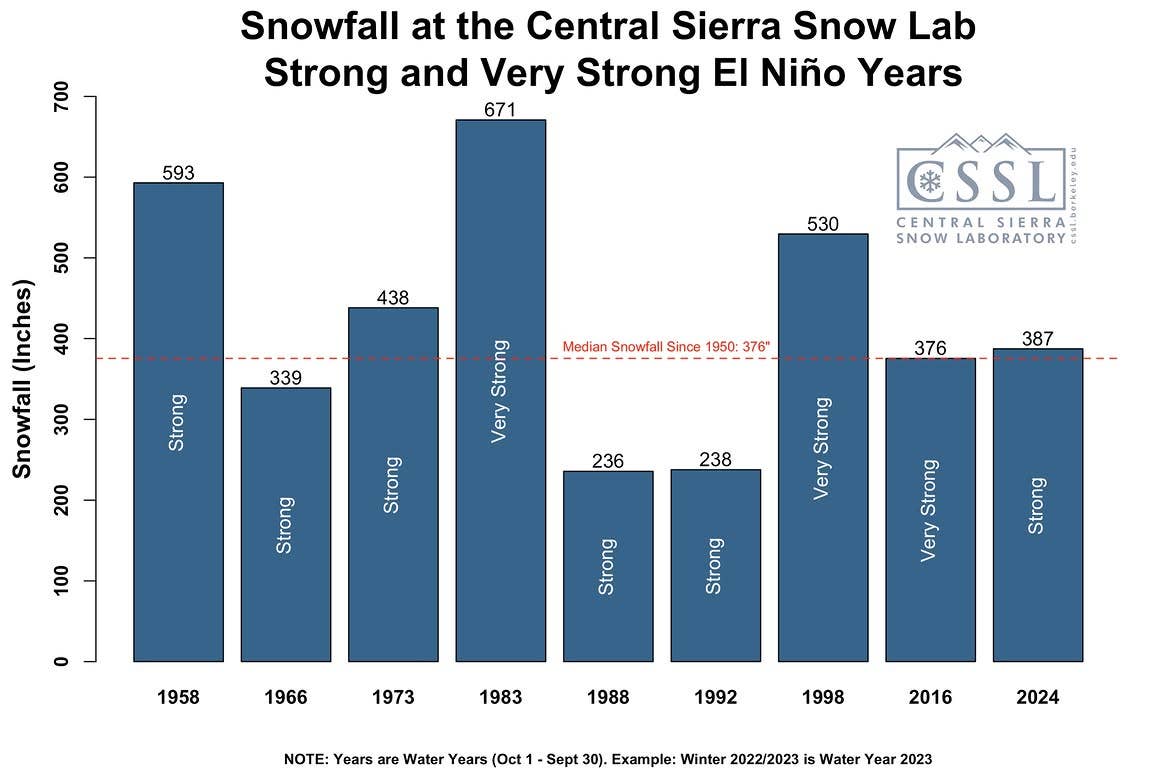
CSSL shared a bar graph of seasonal snowfall totals for its snow study plot near Truckee, California, over the last nine years, during which “strong” and “very strong” El Niños were forecast. Of those nine years, only four logged above the annual median, and three years reported significantly below the median.
“We can see a pretty even distribution of snowfall with 4 seasons being above median, 3 being below median, and 2 roughly at median. If you single out Very Strong El Niño years, then it looks like we could see average to above-average snowfall but our sample size is small,” writes CSSL. “The upcoming season is still a toss-up at this stage, and we’ll only know more once we get closer to winter.”
Central Sierra Snow Lab
POWDER has covered long-range winter forecasts from meteorologists such as Chris Tomer and Alan Smith of OpenSnow, but both would probably agree that skiers shouldn’t treat their predictions as the gospel.
Alan Smith ended his Winter 26/26 forecast with a sobering reminder that while our ability to predict weather is improving, nothing is a given: “Seasonal forecasts are interesting, but you should always take them with a grain of salt,” he said. “There’s always going to be factors that we can’t predict months or even weeks in advance.”
Tomer, after displaying a graphic in his forecast of ski resorts that he thinks will receive above-average snowfall due to the strong El Niño this winter, offered the following caveat: “I always hesitate to do these,” he said. “These could be way off.”
The Farmer's Almanac
If you’re a skier who is lost in the long-range forecasts and hubbub, let me offer you a word of advice—pump the brakes on the El Niño hype train. Pay attention to how forecasts shift as winter gets closer, but don’t put all of your eggs in one basket quite yet.
If you’re trying to plan a big ski trip now to save money, know that there’s not a single person, AI model, or otherwise that can guarantee your trip will be blessed with snowfall and cold temperatures.
Skiing, against the best efforts of oligarchs and oil barons, is still a sport that is reliant on one thing that nobody on Earth can control—Mother Nature.
Despite what your local hill, bucket list destination, or friend keeps trying to guarantee will happen this winter, we’ll have to just wait and see how the winter plays out in real-time, just like we’ve done every year of human existence. Imagine that.
Related: Jay Peak Denounces Trade War Tensions With Neighbors In Canada: “You Are Our Friends”
PakarPBN
A Private Blog Network (PBN) is a collection of websites that are controlled by a single individual or organization and used primarily to build backlinks to a “money site” in order to influence its ranking in search engines such as Google. The core idea behind a PBN is based on the importance of backlinks in Google’s ranking algorithm. Since Google views backlinks as signals of authority and trust, some website owners attempt to artificially create these signals through a controlled network of sites.
In a typical PBN setup, the owner acquires expired or aged domains that already have existing authority, backlinks, and history. These domains are rebuilt with new content and hosted separately, often using different IP addresses, hosting providers, themes, and ownership details to make them appear unrelated. Within the content published on these sites, links are strategically placed that point to the main website the owner wants to rank higher. By doing this, the owner attempts to pass link equity (also known as “link juice”) from the PBN sites to the target website.
The purpose of a PBN is to give the impression that the target website is naturally earning links from multiple independent sources. If done effectively, this can temporarily improve keyword rankings, increase organic visibility, and drive more traffic from search results.
Streaming Film
Nonton Film gratis
Jasa Backlink
Download Anime Batch

Leave a Reply