Global Media and Information Literacy Week is celebrated every year from October 24th to 31st, as declared by UNESCO. We celebrate it every year to show the importance of learning how to think critically, communicate responsibly, and use information wisely in today’s digital world. Everyone knows that we live in a time where news, videos, and social media posts spread within seconds. Therefore, understanding what is true, false, or misleading has become an essential skill for everyone.
This week encourages people around the world to raise awareness about how media influences our opinions, choices, and society. Media literacy helps us identify fake news, AI generated videos, avoid online threats, and respect different opinions and viewpoints. The spread of false information, cyberbullying, and online scams has shown the importance of promoting awareness and responsible media practices.
During this week, schools, universities, and organizations conduct workshops, discussions, and campaigns to teach people about responsible media use.
In a world full of information, Global Media and Information Literacy Week serves as a reminder that knowledge is power but only when used wisely.It teaches us not to believe everything we see or hear, but to question and think before we act.
It reminds us that being literate today means more than just reading and writing. It includes analyzing, questioning, and confirming the information we see and share. Media and information literacy empowers people to become responsible digital citizens. So, in a world full of voices, media literacy helps us find the truth among the noise.
Think before you click, share or believe your awareness shapes the world.
When nations come together, humanity moves forward.
Every year on October 24, the world comes together to celebrate United Nations Day, marking the anniversary of the entry into force of the UN Charter in 1945. This day reminds us of the shared vision that gave birth to the United Nations, a world built on peace, cooperation, and mutual respect among nations.
The United Nations was established after the devastation of the Second World War, with the hope of preventing such conflicts in the future. Today, it stands as a symbol of global unity, bringing together 193 member states to work towards common goals such as human rights, sustainable development, climate action, and humanitarian aid.
The theme of UN Day often reflects the world’s most pressing challenges. Whether it is promoting gender equality, reducing poverty, or addressing climate change, the UN continues to remind us that no single nation can solve these problems alone, collaboration and solidarity are key.
Across the world, UN Day is marked with cultural events, discussions, exhibitions, and youth led initiatives that celebrate the diversity of nations and the strength that comes from working together. It is also a day to recognize the tireless efforts of individuals and organizations who strive to make the world a better and fairer place.
As university students, UN Day is a great opportunity for us to reflect on our role as global citizens. We are part of a generation that can drive change through awareness, innovation, and compassion. Every small act from promoting inclusivity on campus to supporting sustainability projects echoes the UN’s mission of peace and development.
On this United Nations Day, let us celebrate the spirit of unity in diversity and reaffirm our shared responsibility to create a world where everyone can thrive. After all, a better world begins with us.
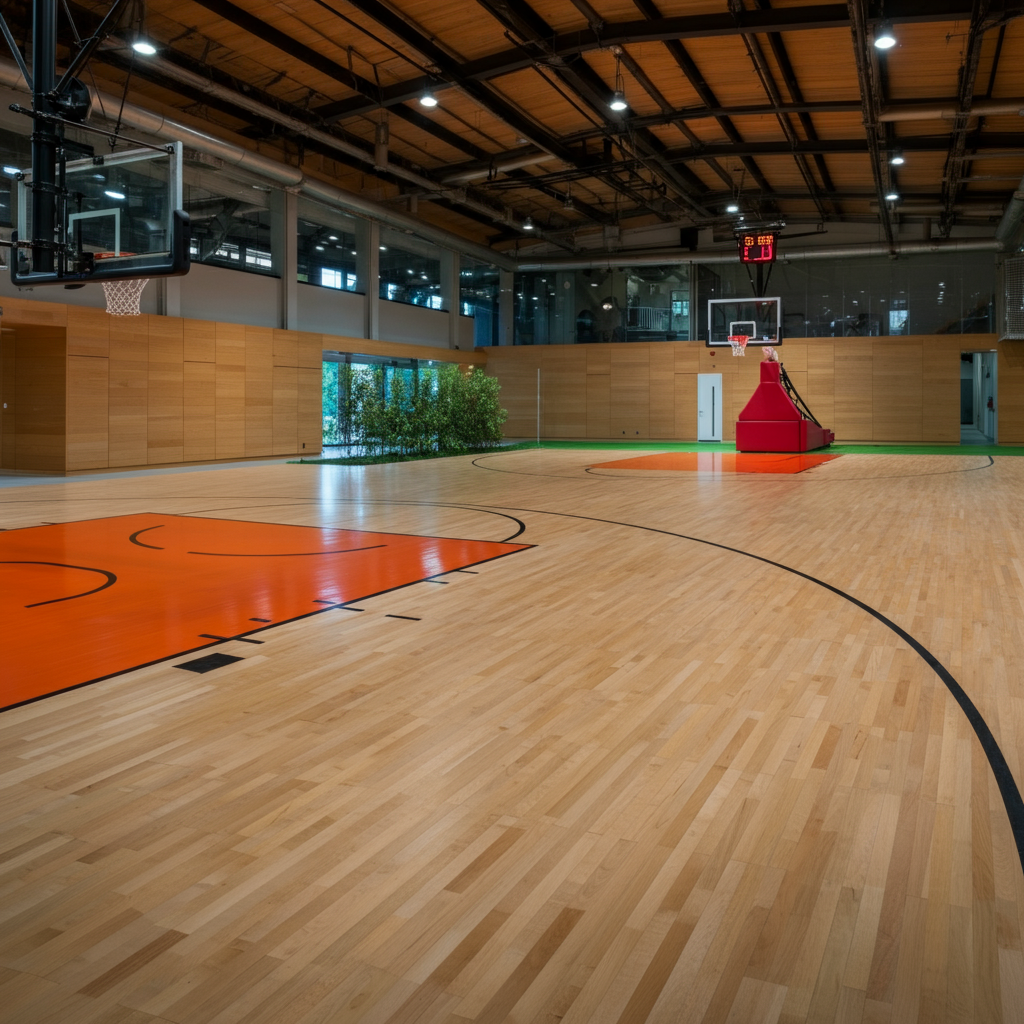
Selecting the appropriate thickness for your wood basketball court flooring represents one of the most critical decisions in sports facility construction. The floor thickness directly impacts player safety, performance quality, and long-term durability of your investment. Professional sports facilities, educational institutions, and private courts all require precise specifications to meet international standards and ensure optimal athletic performance.
Modern basketball court flooring systems have evolved significantly, with advanced engineering delivering superior shock absorption, ball rebound consistency, and structural integrity. Understanding the technical requirements for floor thickness enables architects, facility managers, and contractors to make informed decisions that balance performance, safety, and budget considerations.
This comprehensive guide examines the essential factors determining optimal wood basketball court floor thickness, from professional arena specifications to recreational facility requirements. Whether you’re planning a FIBA-certified competition venue or a community gymnasium, the right floor thickness forms the foundation for exceptional athletic performance and player protection.
The Critical Role of Floor Thickness in Basketball Court Performance
Wood basketball court floor thickness directly influences multiple performance characteristics that define the playing experience. Proper thickness ensures consistent ball rebound across the entire court surface, meeting the 85-95% rebound requirements specified in international basketball standards. This consistency prevents unpredictable ball behavior that could compromise game quality or player safety.
Shock absorption represents another crucial function of adequate floor thickness. Professional-grade floors must absorb between 25-35% of impact energy to protect players from joint injuries and reduce fatigue during extended play. Insufficient thickness compromises this protection, leading to increased injury risk and diminished athletic performance over time.
The structural integrity of your basketball court depends on maintaining proper thickness specifications. Thicker flooring systems distribute loads more effectively across the subfloor, preventing localized stress concentrations that could cause premature failure. This engineering principle becomes particularly important in high-traffic facilities where the court experiences constant use throughout the day.
Temperature and humidity fluctuations create expansion and contraction forces that thicker floors manage more effectively. Professional installations incorporate expansion gaps and moisture barriers, but adequate thickness provides additional stability against environmental changes that could compromise court flatness or create dangerous playing conditions.
Key Factors Determining Optimal Floor Thickness
Level of Play and Performance Standards
Professional and collegiate basketball facilities require different thickness specifications than recreational courts. FIBA-certified flooring systems typically demand minimum thickness requirements to meet international competition standards, ensuring consistent performance for professional athletes. These specifications account for the intense physical demands of elite-level basketball, including aggressive cutting movements, jumping, and rapid directional changes.
Educational facilities serving multiple sports programs need flooring systems that accommodate basketball, volleyball, and other court sports simultaneously. Multi-sport applications may require adjusted thickness specifications to optimize performance across different athletic activities while maintaining safety standards for all users.
Community centers and recreational facilities can often utilize slightly reduced thickness specifications while still providing safe, enjoyable playing conditions. However, even recreational installations must meet minimum safety requirements for shock absorption and ball rebound to prevent injuries and ensure proper game play.
Subfloor Conditions and Support Systems
The existing subfloor structure significantly influences the required basketball court flooring thickness. Concrete subfloors provide excellent stability and may allow for thinner wood flooring systems, while wooden subfloors might require additional thickness to achieve proper rigidity and performance characteristics.
Advanced subfloor preparation includes moisture barrier installation, leveling compounds, and sometimes complete structural reinforcement. These preparatory measures can impact the overall floor system design and influence the optimal thickness selection for the finish flooring layer.
Professional installations often incorporate specialized subflooring systems designed specifically for sports applications. These engineered systems work in conjunction with the finish flooring to achieve target performance specifications, potentially allowing for optimized thickness selections that balance cost and performance.
Budget Considerations and Long-term Value
Initial installation costs increase with floor thickness due to higher material requirements and potentially more complex installation procedures. However, thicker flooring systems often provide superior durability and reduced maintenance costs over their service life, creating better long-term value propositions.
Maintenance requirements vary significantly between different thickness specifications. Thicker floors typically withstand refinishing operations better, allowing for more sanding and refinishing cycles throughout their service life. This extended maintenance capability translates into lower total cost of ownership for busy facilities.
Energy efficiency considerations also factor into thickness selection. Properly specified flooring systems contribute to overall building thermal performance and can impact heating and cooling costs in large athletic facilities.
Standard Thickness Measurements and Applications
Professional Competition Standards (22-25mm)
Professional basketball venues, including NBA arenas and international competition facilities, typically utilize flooring systems measuring 22-25mm thick. This specification provides the optimal balance of shock absorption, ball rebound consistency, and structural performance required for elite athletic competition.
These thicker systems incorporate advanced wood species selection, typically featuring hard maple construction with specialized finishing systems. The additional thickness allows for multiple refinishing cycles throughout the floor’s service life, maintaining peak performance characteristics for decades with proper maintenance.
Sports flooring standards at the professional level also require specific subfloor systems engineered to work with these thicker finish floors. The complete system approach ensures consistent performance across the entire court surface while meeting stringent international certification requirements.
Educational and Community Facilities (18-22mm)
School gymnasiums, community centers, and municipal recreation facilities commonly utilize flooring systems measuring 18-22mm thick. This specification provides excellent performance characteristics while managing budget constraints typical in public facility projects.
These installations must balance multi-sport requirements with basketball-specific performance needs. The selected thickness accommodates various athletic activities while ensuring proper shock absorption and ball rebound for basketball use. Many educational facilities choose this thickness range to meet state athletic association requirements while maintaining reasonable project costs.
Quality control becomes particularly important in educational installations due to heavy use patterns and limited maintenance budgets. Proper thickness selection contributes to long-term durability and reduces the frequency of major refinishing or replacement projects.
Recreational and Training Facilities (15-18mm)
Private training facilities, fitness centers, and recreational courts may utilize slightly thinner systems measuring 15-18mm. While still providing safe playing conditions, these specifications prioritize cost efficiency for facilities with lighter use patterns or specific budget constraints.
Careful attention to subfloor preparation becomes critical with thinner flooring systems. Proper moisture control, leveling, and support structure ensure that reduced thickness doesn’t compromise safety or performance characteristics for recreational users.
Some manufacturers offer specialized thin-profile systems designed specifically for renovation projects or facilities with height restrictions. These engineered solutions maximize performance within thickness constraints while meeting safety requirements for recreational basketball use.
Installation Best Practices for Optimal Floor Performance
Moisture Management and Climate Control
Proper moisture management begins before flooring installation and continues throughout the facility’s operational life. Wood moisture content must be carefully controlled during installation, typically maintaining 6-8% moisture content to prevent excessive expansion or contraction after installation.
Climate control systems should maintain temperature between 65-75°F and relative humidity between 35-50% for optimal floor performance. These environmental conditions prevent excessive wood movement that could compromise court flatness or create dangerous playing conditions.
Advanced moisture barrier systems protect the flooring from subfloor moisture while allowing proper vapor transmission. Professional installations incorporate both vapor barriers and moisture testing protocols to ensure long-term stability regardless of floor thickness specifications.
Professional Installation Techniques
Certified sports flooring installers utilize specialized techniques to achieve the precision required for basketball court applications. Proper fastening patterns, expansion gap calculations, and surface preparation procedures directly impact the long-term performance of any thickness specification.
Quality control during installation includes continuous monitoring of surface flatness, ensuring the finished court meets specifications across the entire playing area. Professional installations typically achieve flatness tolerances within 3mm across any 3-meter measurement, regardless of floor thickness.
Advanced installation techniques may incorporate laser-guided leveling systems and precision measuring equipment to ensure consistent thickness and performance characteristics throughout the entire court surface.
Long-term Maintenance Strategies
Proper maintenance protocols preserve the performance characteristics that proper thickness selection provides. Regular cleaning, protective coatings, and scheduled refinishing maintain optimal playing conditions while extending the floor’s service life.
Refinishing schedules depend partly on floor thickness, with thicker floors typically accommodating more sanding cycles throughout their service life. Professional maintenance programs balance immediate performance needs with long-term preservation strategies to maximize return on investment.
Preventive maintenance includes regular inspection of expansion gaps, moisture monitoring, and prompt attention to any surface damage that could compromise player safety or performance characteristics.
Maximizing Your Basketball Court Investment
Selecting the appropriate wood basketball court floor thickness requires careful consideration of multiple factors including performance requirements, budget constraints, and long-term facility goals. Professional consultation ensures that your thickness selection aligns with intended use patterns while meeting applicable safety and performance standards.
Modern sports flooring installation techniques and materials provide exceptional flexibility in achieving optimal performance across various thickness specifications. Working with experienced professionals ensures that your floor thickness selection integrates properly with subfloor conditions, environmental controls, and maintenance capabilities.
The investment in proper floor thickness pays dividends in player safety, performance consistency, and long-term durability. Whether constructing a professional arena or community gymnasium, the right thickness specification provides the foundation for years of exceptional athletic performance.
Contact VMKON for expert consultation on your basketball court flooring project. Our certified professionals provide comprehensive analysis of your specific requirements, ensuring optimal thickness selection that balances performance, safety, and budget considerations for your unique facility needs.
On Sunday, 19th of October 2025, the world awoke to shocking news: the Louvre Museum in Paris, home to France’s royal treasures, had been struck by a daring daylight robbery. Around 9:30 a.m., barely half an hour after the museum opened, a team of four masked thieves carried out one of the boldest heists in modern history. Their target was the Galerie d’Apollon, a glittering chamber created for Louis XIV and housing the remaining French Crown Jewels. The location, close to a Seine-facing façade undergoing construction, gave the criminals the perfect access point for their seven-minute strike.
Investigators believe the group used a vehicle-mounted extendable ladder or furniture hoist to reach a second-floor window. With precision tools, likely including an angle grinder, they sliced through reinforced glass, broke into two high-security display cases, and vanished just as swiftly as they arrived. Witnesses later reported seeing two motorbikes speeding away from the museum grounds, carrying the stolen loot. In their haste, the thieves dropped the Crown of Empress Eugénie, which was later found damaged outside the museum. The Louvre was immediately evacuated and closed to the public while police began one of the largest art-theft investigations in France’s history.
The stolen jewels, eight in total, were valued at roughly €88 million (USD 102 million). Yet their historical worth was far greater. Among them were the sapphire tiara, necklace, and earring set worn by Queen Marie-Amélie and Queen Hortense; the emerald necklace and earrings gifted by Napoleon Bonaparte to Empress Marie-Louise; and the pearl and diamond tiara commissioned for Empress Eugénie by Napoleon III. Other missing items included Eugénie’s diamond “Grand Corsage Bow” brooch, set with more than 2,400 diamonds, and a diamond “Reliquary” brooch with deep religious symbolism. Each artifact represented a fragment of France’s imperial legacy, a glittering record of royal craftsmanship and cultural grandeur.
The heist shocked France and the world alike. President Emmanuel Macron described it as “an attack on a heritage that we cherish because it is our history.” Media outlets called it a national humiliation, especially as it occurred in broad daylight at one of the most secure and visited museums on Earth. In the aftermath, museum staff and unions voiced long-standing concerns about inadequate staffing and outdated security systems. A recent internal audit had already warned of “a worrying level of obsolescence” in the Louvre’s surveillance technology, a warning that now feels chillingly prophetic.
Experts fear that the stolen jewels may never be recovered intact. Their fame makes them impossible to sell whole, leading investigators to suspect that the pieces will be dismantled: the gold melted, and the diamonds re-cut, erasing centuries of royal history in the process. The manhunt is now on a frenzied global footing, with over 100 investigators analyzing crucial DNA and forensic evidence left at the scene, including recovered getaway vehicles. The Audacious Louvre Heist stands as a grim reminder that even humanity’s most treasured creations remain vulnerable. In just seven minutes, thieves stole not only jewels but fragments of a nation’s identity, leaving the world to wonder how secure our shared history truly is, and whether the clock will run out on their recovery.
Selecting the proper sports flooring is more than simply selecting a surface. It is selecting a surface that is safe, functional, visually appealing, as well as long-lasting, which is why it is essential for designers as well as specifiers. In VMKON, we are well aware of difficulties as well as choices that are required in sports facility design. And that is why we provide custom sports flooring solutions as well as on-the-ground support from our Chinese facility to your completed facility.
So, how do we help specifiers and architects make their vision a reality? It is as simple as taking you through our process step-by-step.
Understanding the Needs of Architects and Specifiers
A good facility is started with a good plan. Specifiers and architects are challenged with transforming an idea into a physical reality. But with so many materials, standard levels, and forms offered, sports flooring can be one of the most difficult parts of the job.
That’s where we come in.
Specifiers demand specification detail on product, certification, and sample requirements. Architects demand design flexibility and performance recommendations from specialists. We consult with both categories so that questions are answered and requirements are met.
So, what do we actually offer from the very outset?
Early Collaboration: Helping You from the Start
We think that the sooner we can assist you, the better your outcome is going to be. When you become part of our team, you are not purchasing a program. You are purchasing a team.
From initial design concepts, we assist you in choosing your ideal sports flooring system according to your project’s scale, intention, and budget. Whether it is a school’s basketball court or a community center’s multi-use gym, we propose solutions that suit your needs.
You will not even be concerned with technicalities as we supply everything you would ever need:
CAD diagrams
Performanace data
Safety ratings
Environmental certifications
This saves you time and makes you confident in your decisions.
But what about when you require something unique that is not off-the-shelf?
Customization: Personalizing Sports Flooring to Your Imagination
No two jobs are alike. Thats why we manage one-of-a-kind sports floor applications. From finish and color to logos to performance attributes, our specialists assist you in creating a floor that meets your design needs, your branding needs, as well as your usage needs.
What can be personalized?
We provide:
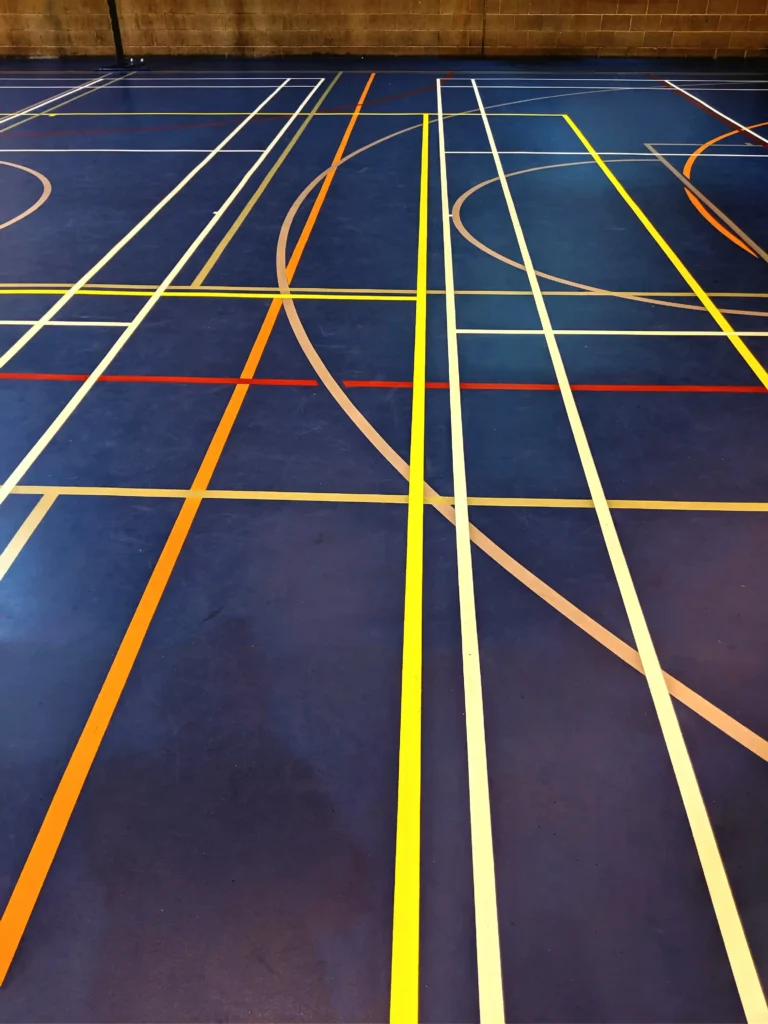
Custom court markings and school or team logos
Color-matching for branding
Different surface textures for various sports
Optional layers for shock absorption, sound control, or moisture protection
In-house manufacturing guarantees fast turnaround times as well as variable quantities per order. Whether you are equipping a large stadium or cozy indoor court, we guarantee your custom sports floor achieves your vision as much as your spec for your project.
Now that your design is complete and personalized, how do we test it as being up to industry standard?
Meeting Global Standards and Project Requirements
You also know how critical it is that your floors comply with international and local specifications. There is no question of safety and quality being optional. This is why we produce sports floors that are up to or exceed specifications such as:
EN 14904 on baseball pitches
FIBA sanctioning for basketball
ISO manufacturing and environmental safety certification
You are also offered with formal documentation as well as test reports for every system. It can be readily presented when pitching your plans to projects’ managers, clients, as well as regulatory bodies.
Going Green? We’ve Got You Covered
If your project is sustainability-based, we provide green materials as well as LEED-friendly materials. Green building documentation can be streamlined on your behalf from our office.
So once it’s signed off on its approval to be shipped, what’s next?
Manufacturing and Delivery: From Our Factory to Your Facility
VMKON is more than a supplier. We’re the actual manufacturer. This gives us full control over the production timeline, quality, and custom features. We use advanced equipment and strict quality control systems in every stage of production.
When your sports floor is due, we take care of everything. Our exporting department works with carriers to ensure your materials are delivered on time, with all relevant customs forms and packaging. If you are on a tight schedule, we will do everything we can to ensure your job stays on track.
But that’s not where support stops with delivery. How does installation work?
Installation Instructions and Technological Support
We want your sports flooring to perform well for you for a lifetime. That’s why we don’t leave you after you receive your material shipment.
Installation Support Services
This is what we do in the installation step:
Provide step-by-step user manuals
Provide online practice exercises and video lessons.
Recommend qualified installers in your area.
Answer technical questions promptly through telephone, e-mail, or video conferencing.
If you or your team needs extra help along the way, we even provide live consultations so that you may navigate tough steps or unexpected site circumstances.
Now that you have your floors installed, how can you make them continue to perform and look well?
Aftercare and Long-Term Support
It is a long-term investment in your sports floors, and we are here to help maintain it. The service doesn’t end when we install your floor. We offer valuable tools and advice to help your floor last longer.
Ongoing support involves:
Maintenance and cleaning guides
Guarantee details
Spares or upgrade as required
Seasonal maintenance recommendations and traffic wear recommendations
We also keep in touch. If you’ve questions down the line several months or even several years later, we’re just a message away. We believe in forming long-term relationships with each of our clients.
Even not entirely certain how that plays out on projects in practice?
Real-World Results: Some Projects We’ve Helped with
VMKON has advised leading sporting facility architects and specifiers across the globe since its inception. From gymnasiums in Southeast Asia to regional sport arenas in the Middle East, our bespoke sports floor solutions have seen hundreds of designs become a reality.
What Makes Us Special in Actual Projects?
Flexible made-to-order solutions that fit any design
Rapid communication and fixed timelines
Experience in international shipping and projects requirements
State-of-the-art pitches tested and licensed for overseas usage
Our clients return again and again for a future project. We calculate that’s worth more than any presentation pitch ever would be.
Now, step back and consider the overall picture.
Why Choose VMKON for Your Sports Flooring Projects?
When you become a collaborator with VMKON, you are not purchasing a product; you are purchasing a partner. We support you from conception to implementation, assisting you in making sound decisions along the way. It makes your job easier, your designs improved, your finished rooms more dramatic.
The VMKON Advantage:
Expert help from day one onwards
Total customization offered
Global standard and certification
Control of manufacturing for predictable quality
Friendly attentive support along the way
Or if you are an architect or specifier who would be interested in creating your own design, we are ready to assist you step-by-step.
Conclusion
Whatever your beginning point is – you’re starting from scratch or well down the planning road – we’d be keen to learn about your venture. Get in touch with VMKON today to discover how our bespoke sports flooring can give life to your design. No hard sell – simply a friendly conversation with our experienced team.
Let’s create something incredible — together.
Frequently Asked Questions About Sports Flooring
1. What is sports flooring?
Sports flooring is a unique surface developed for sport usage. It is safe, performs well, and is durable for such sports as volleyball, basketball, or gym exercise.
2. Can sports flooring be customized?
Yes. With VMKON, you are offered customizable features in color, court lines, logos, and ground texture to suit your design or brand.
3. What types of sports floors do you have?
Our indoor and outdoor flooring solutions include PVC, PU, rubber, as well as modular tile systems.
4. How can I ensure which flooring is right for my job?
Our specialists consult with you to determine your objectives, then suggest which is best according to usage, site condition and budget.
5. Are your products up to international standard?
Yes. Our Flooring meets EN, FIBA, ISO, and other international performance and safety specifications.
6. Will you be available to help during design?
Definitely, we provide CAD files, spec sheets, and expert recommendations to assist with your planning.
7. How long does manufacturing take?
Orders typically take 3 to 5 weeks to be prepared, depending on customization.
8. Do you ship overseas?
In fact, we handle overseas logistics and deliver your sports flooring to you quickly and safely.
9. Is installation included?
We provide advice, certified fitter recommendations, and remote support when you install.
10. What kind of after-sales support do you provide?
We provide maintenance manuals, warranties, and perpetual support even after your job is complete.
The 16th Installation Ceremony of the Rotaract Club of University of Kelaniya was a morning of immense pride, inspiration, and unity. Held on the 28th of September at the Faculty of Computing and Technology Auditorium, University of Kelaniya, the event marked yet another milestone in the club’s remarkable journey of service and leadership. The ceremony celebrated the appointment of Rtn. Rtr. Himantha Sayuru as the President for the Rotaract Year 2025-26, alongside his newly appointed Executive Committee and Board of Directors.
The installation, a long-standing tradition within the Rotaract movement, symbolized more than just a change in leadership, it represented the continuous flow of passion, dedication, and responsibility passed down through generations of Rotaractors. Each year, this moment serves as a bridge between the achievements of the past and the promise of the future, uniting members, alumni, and distinguished guests in a shared vision of service above self. The event commenced with great enthusiasm as members and invitees gathered to witness this special occasion.
The highlight of the morning was the official transition of leadership from the outgoing board to the new board of officials. The occasion recognized the dedication and efforts of the past year’s board, whose initiatives had significantly strengthened the club’s impact both within the university and beyond. Their year was marked by remarkable service projects, member development programs, and collaborations that embodied the true essence of Rotaract.
The ceremony also acknowledged the tireless efforts of the Organizing Committee, whose careful planning and dedication ensured a memorable and seamless event. The atmosphere was further elevated by the support of the event’s Silver Sponsor, Build Element Limited (Elephant Masconite), whose contribution added immense value to the occasion.
From heartfelt speeches and moments of recognition to the collective energy of the audience, the installation was a true reflection of what Rotaract stands for: leadership, fellowship, and service. The gathering reaffirmed the club’s mission to empower young individuals to create positive change, not only within the university but also across the community.
As the ceremony ended, there was an undeniable sense of anticipation for the year ahead filled the auditorium. With a dynamic team at the helm and a shared commitment to making a difference, the Rotaract Club of University of Kelaniya embarks on a new journey, one driven by purpose, unity, and a vision to build upon the legacy of those who came before.
With new leaders, renewed passion, and the spirit of Rotaract burning bright, the 16th Installation Ceremony marked not an ending, but the start of something truly remarkable.
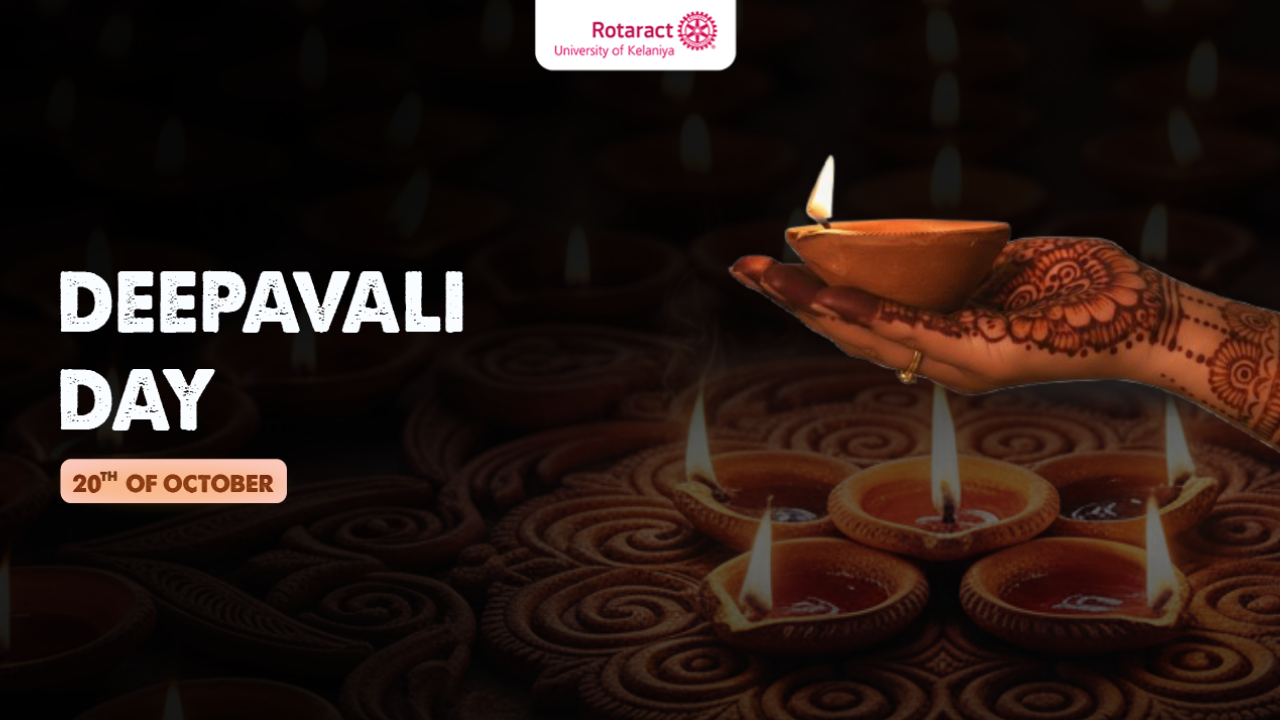
Deepavali, also known as Diwali, is one of the most celebrated festivals in the world, especially among Hindus, Jains, Sikhs, and some Buddhists. The word Deepavali originates from the Sanskrit words “Deepa” meaning “light” and “Avali” meaning “a row,” together symbolizing “a row of lights.” It marks the victory of light over darkness, good over evil, and knowledge over ignorance.
The festival usually falls in October or November, depending on the lunar calendar. Each region of India and many other countries celebrate Deepavali with its own traditions, but the essence remains the same, spreading joy, hope, and positivity.
In Hindu belief, Deepavali commemorates the return of Lord Rama to Ayodhya after fourteen years of exile and his victory over the demon king Ravana. People of Ayodhya welcomed Rama by lighting rows of oil lamps, which is why lamps or diyas remain the central symbol of the festival. In South India, Deepavali also celebrates Lord Krishna’s victory over the demon Narakasura. For others, it marks the worship of Goddess Lakshmi, the goddess of wealth and prosperity.
The celebrations usually last for several days. Homes are cleaned and decorated with colorful rangoli designs, lights, and flowers. People wear new clothes, exchange sweets and gifts, and visit friends and relatives. Temples are beautifully adorned, and the fragrance of incense fills the air. In the evening, oil lamps are lit to illuminate homes and streets, and fireworks brighten the night sky, adding to the festive spirit.
Beyond its religious significance, Deepavali carries an important moral message. It reminds everyone to let go of negativity, to embrace kindness, and to spread happiness. Lighting a lamp is not only about dispelling physical darkness but also about removing darkness from one’s heart and mind. The festival encourages generosity, unity, and gratitude for the blessings of life.
Today, Deepavali is celebrated worldwide, from India and Sri Lanka to Singapore, Malaysia, and even Western countries with large Indian communities. It has become a global symbol of peace and renewal.
As lamps glow and fireworks sparkle, Deepavali continues to inspire millions to choose light, hope, and goodness, making it truly the Festival of Lights.
Pickleball is catching the world by surprise. As it is being included by more and more communities, schools, and private clubs in their facilities, the key question always arises: What type of surface is ideal for outdoor pickleball flooring?
It will not necessarily be very exciting to begin, but the flooring significantly affects the performance of a pickleball court. Appropriate flooring secures the players’ safety, improves the playing experience, and lasts for a long time without fading. If you are constructing a sports facility, using the right outdoor pickleball flooring is one of the most brilliant choices that you could implement from the beginning.
In this guide, we will walk you through it all. We will cover the most popular options for flooring, the impact that the climate will have, recommendations for performance and for safety issues, and how to find a reliable supplier. By the end of this guide, you will know that you are making the very best decision for your outdoor pickleball court.
Understanding the Needs of Outdoor Pickleball Flooring
Ahead of discussing the flooring type and flooring material, it is necessary to know the requirements of the courts for playing pickleball, particularly when constructed outside. A floor for playing pickleball outdoors needs to do a lot than merely being aesthetic. It needs to be safe, tough, and constructed to withstand the human body and the outdoors.
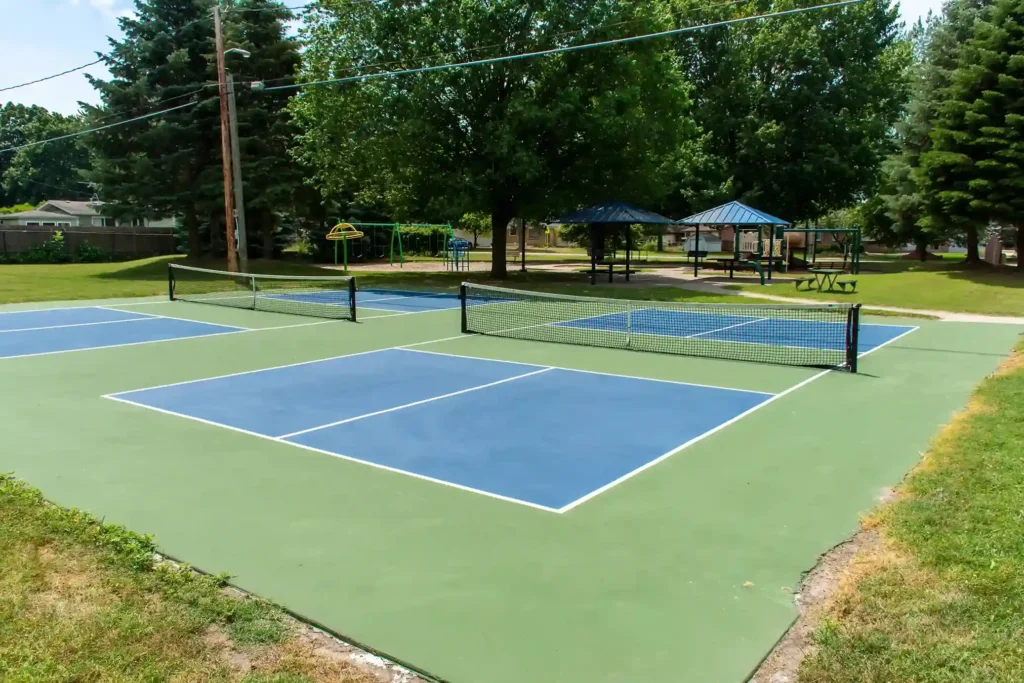
The courts for outdoor pickleball are generally 20 by 44 feet wide. But you also need space around the court so the players have a place to move around and so the court is safe. It generally takes a total of 30 by 60 for the space needed. The court must also be smooth and level and non-slip so that the path the ball takes bounces accurately and the players have a safe area to move.
But how do you create a playing area that endures sun and rain and regular play, but also provides a tremendous playing experience for the athletes? It’s all about the material.
Best Material Options for Outdoor Pickleball Flooring
There isn’t a one-size-fits-all solution when it comes to outdoor pickleball flooring. You will have your final choice informed by your budget, your climate conditions, and the nature of the paddle users of the playing court. But these are the most preferred options and the facts that you need to be aware of each.
Acrylic Coatings: The Classic Pick
Acrylic courts are the most popular type of outdoor pickleball court surface. This is the very same court surface that tennis courts are made of. Acrylic is a topcoat over a concrete or asphalt base. It has a hard, smooth finish that provides the perfect bounce and traction.
The acrylic coatings also vary in color and texture. You may even incorporate cushioning layers for the surface to be gentle on the joints. But you have to consider that the acrylic will need maintenance. The majority of the courts will need resurfacing once every 4 to 8 years, depending upon the utilization.
Modular Tile Systems: Fast and Versatile
The modular court tiles are constructed from high-impact polypropylene and are clicked together like a jigsaw puzzle. They are becoming popular because they are very easy to install, have a wide variety of color choices available, and can be clicked directly over nearly any base.
Why they are perfect for outdoor courts for pickleball is that they are built for drainage and have UV protection. They are also removable and changeable without the entire court having to be resurfaced. Some players prefer the bounce a bit less than the acrylic.
PU and Rubber Surfaces: Not Always the Worst
Some outdoor court surfaces are actually constructed of rubber and polyurethane (PU) surfaces. They are very cushioning and suitable for slip-resistance. But generally speaking, they are not a good idea for pickleball because their surfaces are detrimental to bounce and court speed.
These surfaces may also be preferred for multi-purpose courts in recreation centers or schools where the priority is injury prevention and not playing competitively in a tournament.
Climate and Environment: What You Should Consider First
Now that you have a sense of your options for material, the second step is to consider your immediate environment. Permanent outdoor pickleball flooring must withstand fluctuating weather without cracking, fading, or becoming dangerous.
What are you to take into account when preparing for the weather?
Hot and Sunny Places
In sunny spots, your flooring will need to be UV-proof. Colours will fade and the materials will deteriorate quickly when exposed to sunshine. Lightweight surfaces will lower heat accumulation inside the court.
Rain and Humidity
If you play where it rains often or is very humid, drainage is a good investment. Sloped surfaces will have the water running off fast, and using a surface that already has drainage built in (such as modular tiles) will maintain your court playable.
Cold Climates
In freezing conditions, asphalt will sometimes develop cracks from freeze-thaw effects. Concrete or tile installations are typically preferable for these conditions. You will also want to avoid ponding of the water, which freezes and causes the court to be slippery or damaged.
By planning for the weather early, you can save a lot of time and money on repairs later. But what about safety and game quality?
Performance, Safety, and Longevity: What Makes a Great Surface?
While pickleball looks simple, the game demands quicker movements, quicker response time, and aggressive movements. This further makes your floor selection all the more important. The court must be able to accommodate the players and protect them from injury.
Bounciness, Grip, and Player Comfort
The top outdoor pickleball flooring provides a decent ball bounce and firm player traction. Regardless of whether you utilize tiles or acrylic, the floor needs to incorporate the perfect amount of friction—the type that inhibits slipping but doesn’t impede motion.
The cushioning surfaces will also reduce foot and joint fatigue, especially for senior players or regular court occupants.
Reducing Injuries and Wear
Good surfaces reduce the risk of accidents like slips or twisted ankles. Less expensive surfaces in the long term may end up having cracks, become uneven or slippery surfaces that lead to more accidents.
In addition, the stronger and smoother the surface is, the less it will wear and weather from day-to-day play and environmental factors.
Maintenance Matters
Even the very best surfaces have to be looked after. Some are less demanding and quicker to repair than others, such as modular tiles. Acrylic courts have to be resurfaced every few years. Select a court that your facility’s budget and man-power will stretch to.
Having learned how to identify a surface, the question that is stuck in your mind is the choice of the company that will supply the surface.
How to Choose the Right Flooring Partner
Choosing the appropriate material is but a fraction of the equation. The correct supplier will either save or ruin your outdoor pickleball flooring project.
Here’s what to look for.
Experience and Product Line
A decent supplier must be able to furnish a variety of surfaces merely for outdoor pickleball. They will also need experience servicing parks, schools, or large sports centers.
Design and Customization Assistance
A reputable partner will guide you through the entire process—from the selection of the material to the layout design. Consider companies that have customizable color options, branding, and even court accessories.
Long-Term Support
Warranty protection, delivery help, and replacement parts are crucial. You want a supplier that’s going to be around long term, not just on the install day.
Let us pause for a moment to think about a firm that satisfies all of those conditions.
Why Choose VMKON for Outdoor Pickleball Flooring?
When it comes to building long-lasting and reliable outdoor pickleball courts, the VMKON most certainly delivers.
High-Quality Products for Any Climate
VMKON provides expertly designed surfaces that are UV-proof, weatherproof, and tough enough for all conditions. Rain or shine, or sun or snow, our products are prepared.
Ease Install and Maintenance
Our modular sport floor systems are easy to install and easy to maintain. It’s easy to replace sections without covering the entire court, saving time and money in the long run.
Custom Designs for Your Facility
Your own colors? Your logo imprinted on the court? A layout that fits your floor plan? We customize all of it. Our team works together with you from design to delivery so your vision is a reality.
Trusted Across the Globe
VMKON has serviced sports facilities in hundreds of countries, ranging from small neighborhood centers to commercial recreation centers. What you get when you work with us is a partner in the success of your project.
Conclusion
Choosing the right outdoor pickleball flooring is more than a design choice. It is a long-term investment in safety, performance, and enjoyment. From understanding your climate to picking the best materials and the right supplier, every decision matters.
Here at VMKON, we are here to help you make those decisions. We are ready to answer your questions, explore options together, and be your ally for a project’s conception throughout finalization. Let’s talk about your backyard pickleball court—contact us today and let’s design something amazing together.
FAQs
Q1. What is the ideal surface for outdoor pickleball courts?
Acrylic over concrete or modular tile systems are most commonly used. Both are excellent for performance and longevity, depending upon your climate and budget.
Q2: How frequently is outdoor pickleball flooring required to be serviced?
Acrylic courts have their surfaces replaced every 4–8 years. Modular tiles are very low-maintenance and need to be replaced in sections if damaged.
Q3: Is it possible to install pickleball flooring in cold or rainy sections?
Yes. Select materials that are resistant to water, UV light exposure, and frost damage. Extreme weather conditions are suitable for modular tiles and a concrete base.
Q4: Is outdoor pickleball flooring customizable?
Definitely, you have the option for personalized colors, branding, and layouts using modular tiles. This allows for consistency in your facility’s branding and design objectives.
Q5: Why outdoor pickleball flooring by VMKON?
VMKON provides professional advice, durable products, rapid installations, and designs. We service courts that perform exceptionally and are long-lasting.
With parity as high as ever in the NFL, a few unlikely clubs could have their best chance to get rings
Coming into the NFL season, predictions were made on who could win the Super Bowl in February, and there’s still a good amount of time to see if those views play out. The majority of those views probably had what one could call the usual contenders: the Kansas City Chiefs, Buffalo Bills and Baltimore Ravens topping the list in the AFC, while the Philadelphia Eagles (defending champs), Washington Commanders and Detroit Lions gathered the majority of votes from the NFC. After that’s determined, the next question centers around teams who can announce themselves as a threat in their own right. The Houston Texans (who went home after the divisional round each of the last two seasons) were a trendy pick, but have been underwhelming to this point. The Green Bay Packers, particularly after they acquired linebacker/defensive end Micah Parsons in a trade with the Dallas Cowboys, became the team everyone is supposedly chasing, but many questions remain if they can even win the NFC North (let alone make a championship run). One thing (and perhaps the only item) we have learned is there isn’t a stand out team playing right now. As a result, three squads who weren’t looked at as serious contenders may have as good a chance as ever to emerge as the top dog.
The first of this trio is the Indianapolis Colts. It would be interesting to see if even the biggest Colts fan living within the Indianapolis city limits had this on their bingo card, but this team is tied for the best record in the league at 5-1. Somewhere along the line, it was forgotten how good running back Jonathan Taylor was and is. Taylor is reminding everyone up to this point, as he leads the NFL in rushing yardage (603) and touchdowns (seven). Combine that with the efficient play of quarterback Daniel Jones (yes, that guy who flamed out with the New York Giants), and the offense is on a level that makes them hard to stop. The Colts defense has been good enough to bend, but not completely break, and they have forced nine turnovers in their six games. Complementary football has been a strength for Indy, and Shane Steichen has cooled off talk of being on the hot seat to lose his head coaching job. In other words, the Colts have the ingredients to stay in the fight for a while.
Second on the list is the Tampa Bay Buccaneers, who is the team tied with Indy for the league’s best record. The Buccaneers could be at least 2-4 if a play or two doesn’t go their way, but they have found a way to make those plays, and the scary thing with this squad is they can become much better as the season moves on. If there is one reason why Tampa Bay sits where they are, it probably starts and ends with QB Baker Mayfield, who would probably be the MVP if the season ended today. Mayfield has been the definition of clutch, as he has been the architect of a few game-winning drives. It’s even more remarkable when considering Mayfield is playing at this level without the team’s top-two receivers (Mike Evans and Chris Godwin Jr.). There was a little talk about the Bucs being a contender going into the season, but the combination of how good they can be and the league being up for grabs could see them become a favorite before too long.
Finally, the Denver Broncos find themselves on the list of teams who could walk up to a championship this season. With the Broncos coming off of a wild card appearance last year, the prevalent thinking was they could continue to ascend, and perhaps, knock the Chiefs off from the top of the AFC West. The main reason is their defense, led by cornerback Pat Surtain II (the defensive player of the year in 2024) and linebackers Nik Bonitto and Jonathan Cooper. Most people would say Denver’s defense is at championship-level, but what could make or break their visions is whether or not quarterback Bo Nix can consistently stay on the same page with coach Sean Payton, and bring the offense close to par with the other side of the ball. Throughout the year, Nix has been hit or miss with the execution of plays. If he can provide more of the good version, the Broncos could be on the cusp of a high on the Rocky Mountains.
There are other teams that could have made this list (the Atlanta Falcons, Los Angeles Chargers and New England Patriots among them), but at this time, the Colts, Buccaneers and Broncos seem to have more in their favor to continue the upward trend. Of course, things can escalate quickly in the NFL, and what looks good one week might not the next, and vice versa. Who knows? Those teams who were listed as favorites might ultimately end up there come January. The beautiful thing about sports is games will be played, and everyone will get to find out as it happens. What we know is the gap between contenders and pretenders doesn’t seem to be as wide, and if that continues to be the case, don’t be surprised if this year’s Super Bowl winner is someone not exactly on the radar from the beginning.
Author: bestkeptsecret19
I’m just a man trying to be listened to. Hopefully, I can motivate and inspire people on the way to making a widespread positive difference.
View all posts by bestkeptsecret19
“Imagine a world where no one goes to bed hungry, where every plate is full and every heart is grateful.”
Every year on October 16th, we celebrate World Food Day, marking the founding of the Food and Agriculture Organization (FAO) of the United Nations in 1945. The day reminds us to value the food we eat, support those who grow it, and ensure that everyone has enough to live a healthy and happy life.
Everyone loves to eat, but sadly, many people around the world do not have enough food. At the same time, others waste food or eat unhealthy meals. Food is one of the most important needs in our lives. It gives us energy to live, learn, and work. But food is not just something we eat, it is a gift of nature and the result of the hard work of farmers. They grow our food with love and care, so we should always respect and thank them.
Schools, communities, and organizations celebrate World Food Day by organizing food drives, tree planting programs, and awareness campaigns about good nutrition. This day reminds us how important it is to have safe and healthy food, and that we should never waste it.
Healthy food helps us stay strong and active, while unhealthy food can make us sick and cause many health problems. That’s why we must choose healthy meals for a better life. To achieve this, we can all help in simple ways by avoiding food waste, eating local and healthy food, and sharing with those in need.
So, on World Food Day, let’s be thankful for every meal we eat. Let’s eat healthy food and share with those who don’t have enough. Together, we can create a world where no one stays hungry, and everyone enjoys safe and healthy food.